
A ball pit as part of a playroom’s equipment
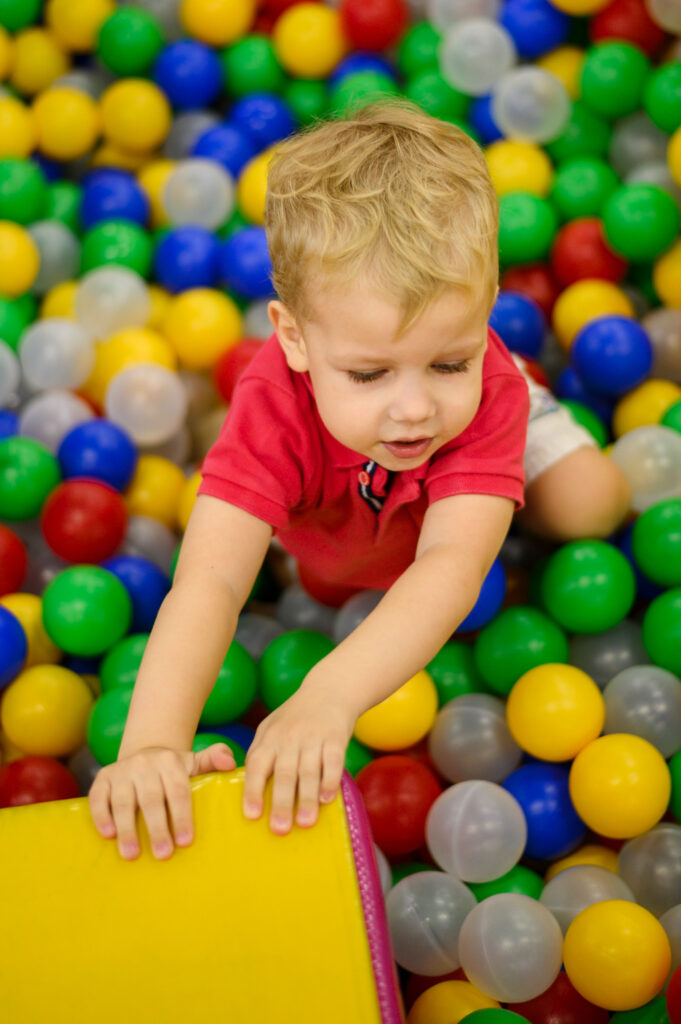
[vc_row][vc_column width=”1/2″][vc_column_text uncode_shortcode_id=”134690″]Gdyby zapytać przeciętnego pięciolatka o symbol sali zabaw, bez wahania wskazałby na „morze kulek”. Dla inwestora basen z piłeczkami to jednak dużo więcej niż wyłącznie rozrywka, to inwestycja, która musi być bezpieczna, łatwa w serwisowaniu i dopasowana do dostępnej przestrzeni. Wybór odpowiedniego basenu to proces, w którym matematyka (dotycząca chociażby ilości kulek) spotyka się z psychologią rozwoju dziecka i twardą ekonomią.[/vc_column_text][/vc_column][vc_column width=”1/2″][vc_single_image media=”120849″ media_width_percent=”100″ uncode_shortcode_id=”160979″][/vc_column][/vc_row][vc_row][vc_column width=”1/1″][vc_custom_heading uncode_shortcode_id=”265108″]Czym właściwie jest profesjonalny basen z kulkami?[/vc_custom_heading][vc_column_text uncode_shortcode_id=”135765″]To certyfikowana konstrukcja (zgodna z normą PN-EN 1176), zaprojektowana tak, by wytrzymać nacisk kilkunastu dzieci jednocześnie oraz intensywne użytkowanie przez wiele godzin dziennie. Składa się z elastycznego, ale trwałego wypełnienia (zazwyczaj pianki poliuretanowej) oraz poszycia, które musi być odporne na tarcie i łatwe w dezynfekcji.[/vc_column_text][vc_custom_heading uncode_shortcode_id=”125690″]Korzyści rozwojowe: dlaczego kulki są tak ważne?[/vc_custom_heading][vc_column_text uncode_shortcode_id=”134690″]Zanim przejdziemy do technikaliów, warto zrozumieć, co basen robi dla dziecka. Motoryka i koordynacja – poruszanie się w basenie wypełnionym kulkami stawia opór podobny do wody, ale w bezpieczniejszym środowisku. Dziecko musi angażować głębokie partie mięśni, by utrzymać równowagę, co świetnie rozwija czucie własnego ciała (czyli tak zwaną “propriocepcję”). Regulacja sensoryczna – dla dzieci z nadwrażliwością lub niedowrażliwością, nacisk setek kulek na ciało działa uspokajająco. To forma głębokiego masażu, który pomaga wyciszyć układ nerwowy po intensywnej zabawie na zjeżdżalniach. [/vc_column_text][/vc_column][/vc_row][vc_row][vc_column width=”1/2″][vc_single_image media=”120851″ media_width_percent=”100″ uncode_shortcode_id=”160979″][/vc_column][vc_column width=”1/2″][vc_custom_heading uncode_shortcode_id=”125690″]Gdzie najlepiej ulokować basen?[/vc_custom_heading][vc_column_text uncode_shortcode_id=”134690″]Basen z kulkami to standard, ale jego forma zależy od strefy: Strefa Malucha (0-3 lata) – tutaj królują mniejsze, miękkie baseny piankowe o niskich ściankach (ok. 30-40 cm), ułatwiające wchodzenie. Konstrukcje wielopoziomowe (małpi gaj) – tu basen jest zazwyczaj zakończeniem zjeżdżalni. Musi mieć wzmocnione dno i wyższe ścianki, by kulki nie wysypywały się na całą salę. [/vc_column_text][vc_custom_heading uncode_shortcode_id=”125690″]Dobór rozmiaru i planowanie przestrzeni[/vc_custom_heading][vc_column_text uncode_shortcode_id=”134690″]Najczęstszym błędem jest kupowanie basenu „na oko”. W mniejszych lokalach (do 50 m²) najlepiej sprawdzają się konstrukcje narożne, które pozwalają maksymalnie wykorzystać dostępną przestrzeń. Natomiast w dużych centrach rozrywki basen może stać się centralnym punktem o powierzchni nawet 20–30 m², co pozwala na jednoczesną zabawę dużej grupy dzieci.[/vc_column_text][vc_column_text uncode_shortcode_id=”921199″]Optymalne parametry basenów w zależności od potrzeb: Typ basenu Sugerowany wymiar Poziom kulek Grupa docelowa Kompaktowy (piankowy) 200 x 200 cm ok. 25-30 cm 1-4 lata Średni (modułowy) 300 x 400 cm ok. 40 cm 3-8 lat Duży (zintegrowany) Powyżej 20 m² 40-50 cm Wszystkie grupy [/vc_column_text][/vc_column][/vc_row][vc_row][vc_column width=”1/2″][vc_custom_heading uncode_shortcode_id=”125690″]Ile kulek faktycznie potrzebujesz?[/vc_custom_heading][vc_column_text uncode_shortcode_id=”134690″]To najważniejsze pytanie dla budżetu. Przyjmuje się, że 1 m³ objętości basenu wymaga około 3000-4000 sztuk o średnicy 7 cm. Średnica ma znaczenie – standardem rynkowym jest 7 cm. Mniejsze kulki (6 cm) dają efekt gęstszego wypełnienia, ale będziesz ich potrzebować znacznie więcej, co wyraźnie podniesie koszty. Natomiast większe (8 cm) pozwalają taniej wypełnić metraż, ale są mniej wygodne i trudniejsze do nurkowania dla mniejszych dzieci. Jakość i materiał (LDPE) – wybieraj wyłącznie kulki z polietylenu o niskiej gęstości (czyli LDPE). Są elastyczne i po naciśnięciu wracają do swojego kształtu. Unikaj najtańszych zamienników: mają tendencję do pękania, a powstałe w ten sposób ostre krawędzie to ogromne zagrożenie w publicznej sali zabaw. [/vc_column_text][vc_custom_heading uncode_shortcode_id=”125690″]Konstrukcja: na co zwrócić uwagę przy zakupie?[/vc_custom_heading][vc_column_text uncode_shortcode_id=”605428″]Podczas wyboru między basenem piankowym a modułowym, kieruj się przeznaczeniem. Baseny piankowe, obszyte atestowanym skajem (medycznym PCV), są idealne do mniejszych sal. Są mobilne i łatwe do przestawienia podczas mycia podłogi. Baseny modułowe (płyta meblowa + pianka + mocne poszycie) to rozwiązania stałe, zazwyczaj montowane jako element większej konstrukcji. [/vc_column_text][/vc_column][vc_column width=”1/2″][vc_single_image media=”120850″ media_width_percent=”100″ uncode_shortcode_id=”160979″][/vc_column][/vc_row][vc_row][vc_column width=”1/1″][vc_custom_heading heading_semantic=”h3″ uncode_shortcode_id=”109911″]3 podstawowe detale techniczne:[/vc_custom_heading][vc_column_text uncode_shortcode_id=”245843″] Łączenia – rzepy powinny być szerokie i ukryte pod zakładkami materiału. Poszycie – materiał typu skaj musi posiadać atest trudnopalności i być odporny na pot oraz ścieranie. Dno – najlepiej, jeśli basen posiada zintegrowaną matę podłogową, co zapobiega rozjeżdżaniu się ścianek. [/vc_column_text][vc_custom_heading uncode_shortcode_id=”125690″]Budżet, czyli cena nie tylko na fakturze [/vc_custom_heading][vc_column_text uncode_shortcode_id=”134690″] Koszt zakupu – średniej wielkości basen z kulkami (z kompletem piłeczek) to wydatek rzędu 4 000 – 12 000 zł, zależnie od jakości materiałów. Higiena – to najważniejszy koszt stały. W sali zabaw basen musi być regularnie dezynfekowany. Najbardziej efektywne są specjalne myjki do piłeczek, które w kilka godzin czyszczą i suszą tysiące kulek. Koszt profesjonalnego serwisu czyszczącego to zazwyczaj kilkaset złotych za wizytę. Uzupełnianie – statystycznie co roku ubywa ok. 5-10% kulek (pęknięcia, wynoszenie przez małych gości). Warto uwzględnić to w kosztorysie. [/vc_column_text][/vc_column][/vc_row][vc_row][vc_column width=”1/2″][vc_single_image media=”120795″ media_width_percent=”100″ uncode_shortcode_id=”160979″][/vc_column][vc_column width=”1/2″][vc_custom_heading uncode_shortcode_id=”125690″]Czy warto się na to zdecydować?[/vc_custom_heading][vc_column_text uncode_shortcode_id=”134690″]Podczas porównywania basenu z kulkami do innych atrakcji (jak np. ścianki wspinaczkowe czy trampoliny), basen wygrywa uniwersalnością. Przyciąga najszerszą grupę wiekową i zatrzymuje dzieci na dłużej. Fundamentem sukcesu jest dbałość o detale: odpowiednia gęstość piłeczek, regularne mycie i materiały, które nie zniszczą się po jednym sezonie. Inwestycja w wysokiej jakości zestaw, sprawia, że budujesz opinię miejsca bezpiecznego i czystego, a to właśnie te dwie cechy rodzice cenią najbardziej przy wyborze sali zabaw.[/vc_column_text][/vc_column][/vc_row]
Is it possible to create eco-friendly plastic balls for a ball pit? A comprehensive study of sustainable production
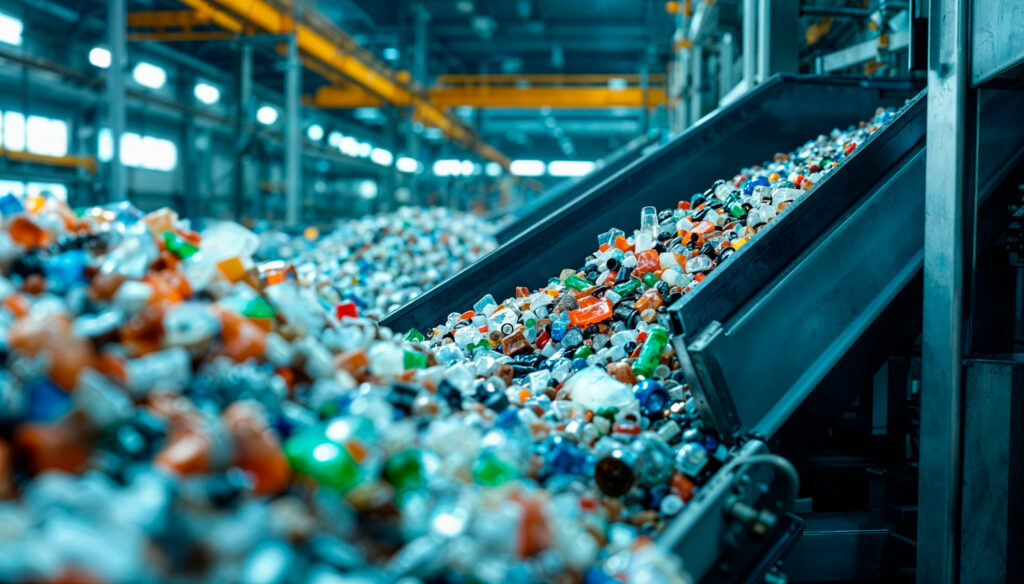
In the world of toys and playroom equipment, plastic has long been synonymous with convenience, but also with environmental impact. However, modern materials engineering and evolving business models now allow us to make a bold claim: a plastic pool ball can be an eco-friendly product. For this to happen, we must stop viewing it as a cheap, disposable gadget and start treating it as part of an advanced closed-loop system. What does it mean in practice for pool balls to be “eco-friendly”? The word “eco-friendly” has become a buzzword in marketing that often loses its original meaning. When it comes to pool balls, eco-friendliness doesn’t start with the green color on the packaging, but with an in-depth analysis of the product’s life cycle (LCA—Life Cycle Assessment). To consider these balls environmentally friendly, we must evaluate their impact on the planet from the moment raw materials are extracted, through the manufacturing process, all the way to the end-of-life scenario. Material sustainability: What should be evaluated? A true assessment of environmental sustainability is based on hard data. It’s not enough to simply declare that a plastic is “recyclable”—almost every thermoplastic is. What matters most is how much energy was used to produce it and whether the process generates waste that permanently leaves the circular economy. When evaluating a material’s environmental impact, experts analyze its carbon footprint (CO2 per kg of material) and water consumption during the polymerization process. An eco-friendly product is one whose chemical structure does not contain substances that could be released into the environment during years of use or washing, which is particularly important in children’s environments. PCR and raw material recycling as the foundation The biggest breakthrough in the production of eco-friendly balls is the use of PCR (Post-Consumer Recycled) material. Unlike post-industrial waste (PIR), which is simply clean plastic diverted from the production line, PCR is plastic that has gone the full journey: from the consumer, through a sorting facility, all the way to regranulation. Using PCR in pool balls drastically reduces the demand for petroleum. This is where the “magic” of sustainability happens—instead of extracting new raw materials, we clean up the planet by repurposing existing waste, giving it a new, safe life in the form of colorful balls. Material Selection: The Heart of an Eco-Friendly Product Choosing the right polymer is the most complex stage of the design process. Here, we must balance physical properties, the safety of children, and the actual impact on the ecosystem. Material Selection Criteria A pool ball must meet a number of conflicting requirements: it must be soft enough not to hurt a child if dropped, yet stiff enough not to burst under the weight of an adult. The standard material is Low-Density Polyethylene (LDPE), which is characterized by excellent impact resistance and “shape memory.” However, in the eco-friendly version, we must consider the purity of the polymer. The material cannot contain impurities from other plastics, which poses a challenge for recycling but is a necessary condition for maintaining homogeneity and mechanical durability. PCR vs. Bioplastic – The Big Showdown It is often mistakenly assumed that bioplastics (such as corn-based PLA) are always the better choice. When it comes to pool balls, the issue is complicated: Bioplastics: They are often compostable only under industrial conditions, and their mechanical durability in heavily used pools is sometimes insufficient. Furthermore, recycling them in standard plastic waste streams is currently difficult. PCR (LDPE): It is a proven raw material with predictable aging characteristics and—most importantly—it is fully compatible with the existing recycling infrastructure. From the perspective of the circular economy, high-quality PCR regranulate is currently unrivaled in terms of environmental efficiency in this industry. Compostability or durability: an environmentalist’s dilemma Paradoxically, in the eco-friendly production of pool balls, durability is the highest form of care for nature. A product that would biodegrade after a year would be an ecological disaster due to the need to constantly replenish resources. We strive to create a product that is “indestructible” under normal use conditions, one that, after 5 or 10 years of intensive play, can be 100% recycled into a new batch of balls without any loss of quality. It is precisely the longevity of plastic—so often reviled in the context of ocean waste—that becomes its greatest advantage in a controlled closed-loop system. Cost Analysis vs. Actual Environmental Impact The use of eco-friendly raw materials involves higher material costs (high-quality regranulate is often more expensive than virgin polymer due to sorting and washing costs). Nevertheless, the bottom line goes beyond the spreadsheet. Investing in eco-friendly plastic means: Lower fees due to the so-called “Plastic Tax.” Enormous reputational value for the brand (ESG). The trust of parents, who are increasingly checking the ingredients in toys. Ultimately, the unit cost of a ball goes up by a few groszy, but the value of the entire project increases immeasurably. The Production Process and Its Energy Optimization Even the best material will lose its “eco-friendly” qualities if the production process is wasteful. The production of pool balls is based primarily on extrusion blow molding technology. Good to know: This process involves heating the plastic until it becomes malleable, forming a “tube,” then sealing it in a mold and inflating it with compressed air to form a sphere. Key stages and their optimization: To reduce the process’s environmental impact, modern factories are implementing hybrid or fully electric drives in blow molding machines, which can reduce electricity consumption by up to 40% compared to older hydraulic machines. Another aspect is the precise control of each ball’s weight—dosing systems allow for maintaining ideal parameters while minimizing raw material consumption (known as “lightweighting”). How can we realistically reduce the carbon footprint of production? First and foremost, by closing the cooling loop. The ball molds must be cooled instantly with water so that the cycle lasts as short a time as possible. Using dry coolers instead of traditional cooling towers drastically reduces water consumption. Additionally, every eco-friendly factory should have its own system for grinding
How do I choose colors for the balls in a dry pool so they match a boho or Scandinavian-style interior?
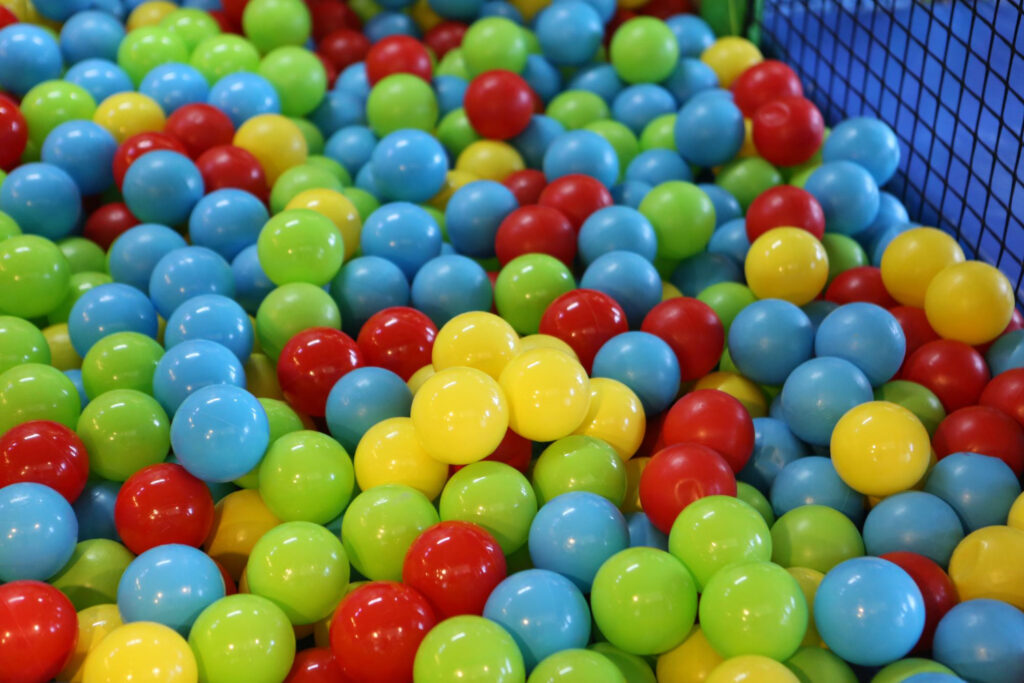
[vc_row][vc_column width=”1/2″][vc_column_text uncode_shortcode_id=”148262″] Dobór barwy kulek do suchego basenu w pokoju dziecięcym to bez wątpienia jedna z tych decyzji, która rzutuje na cały styl wnętrza. Dzieje się tak ze względu na ilość kulek – która nawet w niewielkich rozmiarów basenie może zdominować ogólną kolorystykę wnętrza. Dlaczego coraz to więcej rodziców i opiekunów stawia na suche baseny? Kolory jakie oferują, świetny czas spędzony na zabawie, a przede wszystkim wsparcie rozwoju dziecka to tylko kilka z wielu zalet tych interesujących produktów wyposażenia dziecięcego pokoiku. Jak wybrać kulki do suchego basenu, aby móc cieszyć się przytulnie urządzonym wnętrzem? [/vc_column_text][/vc_column][vc_column width=”1/2″][vc_single_image media=”120820″ media_width_percent=”100″ uncode_shortcode_id=”133928″][/vc_column][/vc_row][vc_row][vc_column width=”1/1″][vc_column_text uncode_shortcode_id=”148262″] Suchy basen jako element dekoracyjny nowoczesnego wnętrza Suchy basen z kolorowymi kulkami to nieodłączny element nowoczesnego pokoju dziecięcego. To właśnie kulki do suchego basenu mogą nie tylko stymulować rozwój maluszka czy zapewniać mu multum zabawy każdego dnia, ale sprawiać, że wnętrze pokoiku stanie się jeszcze przyjemniejsze w odbiorze. Aranżacja pokoju dziecka wymaga przemyślenia różnego rodzaju rozwiązań i inspiracji – w tym zastosowanej w nim kolorystyki. Jakie kulki do suchego basenu będą pasowały do pokoju Twojego maluszka oraz jaki zestaw kulek do basenu wybrać, aby jak podkreślić wyjątkowy charakter królestwa Twojej pociechy? [/vc_column_text][/vc_column][/vc_row][vc_row][vc_column width=”1/2″][vc_column_text uncode_shortcode_id=”148262″] Kulki do suchego basenu w stylu skandynawskim – postaw na minimalizm Nie ulega wątpliwości, że popularny w ostatnim czasie styl skandynawski – chętnie stosowany nie tylko w aranżacji pokoju dziecięcego, ale i innych pomieszczeń – przywodzi na myśl pełne delikatności oraz harmonii kolory: biały, szary, beżowy, miętowy czy lawendowy. Wybierając suche baseny – „skandynawskie” kolory – możemy mieć pewność, że aranżacja pokoju dziecka zaowocuje spójnością i elegancją. Co więcej, barwy te nadają wnętrzu przytulności – co sprawia, że przebywanie w pokoju staje się jeszcze przyjemniejsze! [/vc_column_text][/vc_column][vc_column width=”1/2″][vc_single_image media=”120823″ media_width_percent=”100″ uncode_shortcode_id=”151423″][/vc_column][/vc_row][vc_row][vc_column width=”1/2″][vc_single_image media=”120819″ media_width_percent=”100″ uncode_shortcode_id=”138682″][/vc_column][vc_column width=”1/2″][vc_column_text uncode_shortcode_id=”148262″] Paleta barw: szarości, biele i błękity Czy szarości, biele i błękity zarezerwowane są wyłącznie dla chłopców? Absolutnie nie! Błękit to czysty, piękny kolor – który doskonale współgra zarówno z innymi chłodnymi odcieniami, jak i tymi ciepłymi (na przykład waniliowym odcieniem żółtego). Szare, białe i błękitne kulki do suchego basenu doskonale pasują zarówno do wnętrza minimalistycznego, skandynawskiego, jak i nowoczesnego. Subtelne odcienie sprawiają, że aranżacja pokoju dziecka nabiera lekkości i harmonii, a maluch czuje się w swoim pokoju naprawdę komfortowo. [/vc_column_text][/vc_column][/vc_row][vc_row][vc_column width=”1/1″][vc_column_text uncode_shortcode_id=”148262″] Jak przełamać chłodne wnętrze jednym mocniejszym akcentem? Jak wybrać suchy basen? Kolory, wielkość, producent – to wszystko ma ogromne znaczenie. Kiedy mówimy jednak o pewnej kolorystyce, określamy poniekąd styl pokoiku dziecięcego. Ciekawym rozwiązaniem dla osób lubiących nieco bardziej wyraziste propozycje barw może okazać się przełamanie chłodnego (na przykład białego, szarego, błękitnego) wnętrza jednym, mocnym akcentem kolorystycznym – właśnie poprzez zastosowanie kuleczek. Kulki do suchych basenów doskonale prezentują się zarówno w wersji solo, jak i dwu- czy trójkolorowych zestawieniach. Wyrazisty granat, zwracająca uwagę butelkowa zieleń czy inspirująca fuksja to kolory, które z pewnością zostaną w pamięci dziecka na długo! [/vc_column_text][/vc_column][/vc_row][vc_row][vc_column width=”1/2″][vc_column_text uncode_shortcode_id=”148262″] Styl boho w pokoju dziecka – naturalne kolory kulek Aranżacja pokoju dziecka to dla wielu osób nie lada wyzwanie. Jak się jednak okazuje, spora część rodziców w ostatnim czasie zdecydowała się na kulki do suchego basenu w naturalnych, spokojnych odcieniach – idealnie pasujących do modnego stylu boho. Jasna, harmonijna kolorystyka doskonale komponuje się z drewnianymi dodatkami, zapewniając atmosferę przytulnego ciepła. Co ważne, styl boho sprawdzi się zarówno w pokoju dziewczynki, jak i chłopca – a kulki do suchego basenu w jasnym, nienachalnym odcieniu sprawiają, że basen może wydawać się większy niż jest w rzeczywistości. [/vc_column_text][/vc_column][vc_column width=”1/2″][vc_column_text uncode_shortcode_id=”148262″] Beże, musztarda i brudny róż – idealne połączenie Wyobraź sobie połączenie eleganckiego beżu, intensywnej musztardy i dziewczęcego, brudnego różu. Kulki do suchego basenu w takim zestawieniu kolorystycznym świetnie wpisują się zarówno w styl nowoczesny, boho, jak i minimalistyczny – z odważną nutą. Musztarda i brudny róż fantastycznie będą współgrać z jasnymi dodatkami – nie tylko w pokoju małej księżniczki! Aranżacja pokoju dziecka w tych tonach to bez wątpienia urocze, ponadczasowe rozwiązanie – na długie lata! [/vc_column_text][/vc_column][/vc_row][vc_row][vc_column width=”1/1″][vc_column_text uncode_shortcode_id=”148262″] Dlaczego matowe wykończenie kulek lepiej pasuje do stylu eko? Styl eko to wszystko to, co proste, delikatne, nawiązujące do ekologicznych materiałów. To właśnie dlatego kulki do suchego basenu w wykończeniu matowym – niezależnie od wybranej kolorystyki – będą lepiej wpisywały się w klimat pokoiku dziecięcego niż te z połyskiem. Aranżacja pokoju dziecka w stylu eko to nie tylko prostota i minimalizm, ale również odpowiedni dobór barw – na czele z odcieniami beżu, tak uwielbianego przez miłośników tego charakteru wnętrz. Psychologia kolorów – jak barwy kulek wpływają na nastrój dziecka? Czy wiesz, że barwy kulek, jakie wybierzesz do suchego basenu, mogą wpływać na nastrój i poziom pobudzenia Twojego maluszka? Jak się okazuje, aranżacja pokoju dziecka powinna obejmować więc nie tylko szeroko pojęty design, ale również psychologię kolorów. Dla przykładu – suchy basen w kolorach takich jak brudny róż, musztarda czy odcienie pomarańczowego może sprzyjać aktywności i pobudzać energię, z kolei barwy zimne (takie jak szarość, błękit czy lawenda) pomagają w wyciszeniu oraz sprzyjają poczuciu bezpieczeństwa. Barwy neutralne to bez wątpienia najbezpieczniejsze połączenie – wnoszące spokój i harmonię (tak ważne dla wielu dzieci i rodziców). [/vc_column_text][vc_single_image media=”120821″ media_width_percent=”100″ uncode_shortcode_id=”133928″][vc_column_text uncode_shortcode_id=”570403″] Personalizuj swój zestaw – stwórz własną mieszanką kolorystyczną (call to action do producenta) Szukasz wyjątkowego pomysłu na aranżację pokoju dziecka? Skorzystaj z możliwości spersonalizowania zestawu kulek do suchego basenu od Everplast. Dzięki opcji połączenia dowolnych kolorów – otrzymujesz jedyny w swoim rodzaju, nietuzinkowy zestaw, który dobierzesz zarówno do stylu wnętrza, jak i potrzeb maluszka. Białe, beżowe, szare, niebieskie, różowe, zielone czy musztardowe… Pomysłów jest wiele, jednak Twój ulubiony, unikatowy i absolutnie dostosowany do Twoich oczekiwań – tylko jeden! Tabela porównawcza: najlepsze połączenia kolorystyczne dla popularnych stylów wnętrz Jak dobrać kolor kulek do suchego basenu do stylu wnętrza? Najciekawsze połączenia barw przedstawia poniższa tabela: Kolor kulek Styl wnętrza biały, szary, błękitny minimalistyczne w chłodnej tonacji biały, beżowy, pudrowy róż minimalistyczne w ciepłej tonacji beż, brąz, biały boho biały, szary, beż, mięta, lawenda skandynawski intensywne kolory orientalny szary, biały, antracytowy nowoczesny granatowy, szary, butelkowa zieleń glamour Wybierając suchy basen – kolory kulek dla Twojego maluszka, które mogą wpływać na jego samopoczucie każdego dnia
The Impact of Colors on Child Development – The Psychology of Color in a Dry Pool
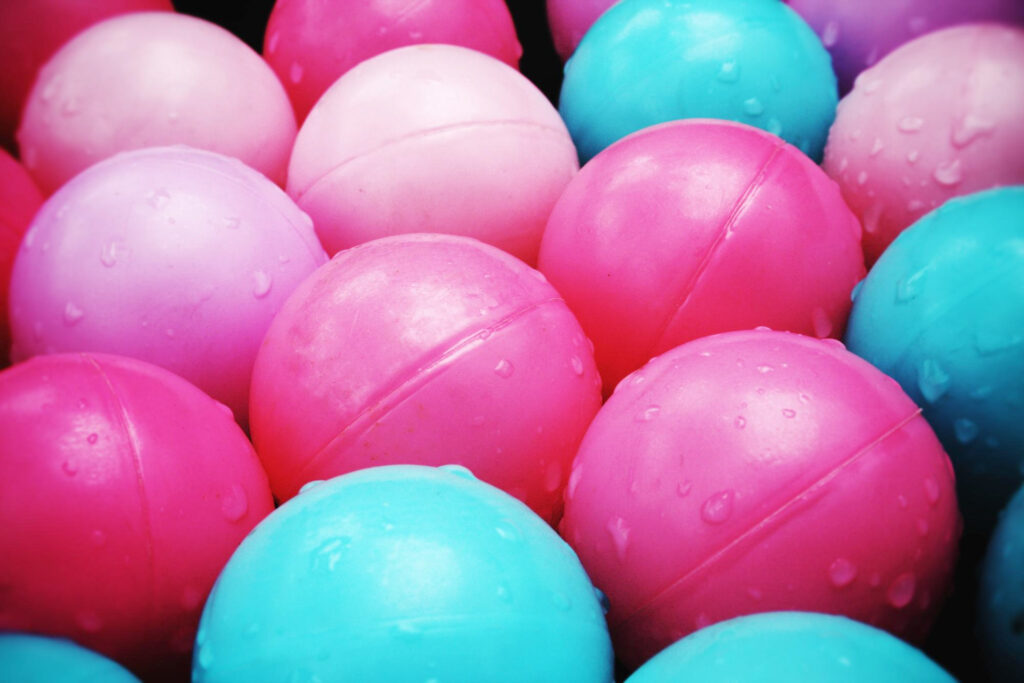
[vc_row][vc_column column_width_percent=”100″ gutter_size=”3″ overlay_alpha=”50″ shift_x=”0″ shift_y=”0″ shift_y_down=”0″ z_index=”0″ medium_width=”0″ mobile_width=”0″ width=”2/3″ uncode_shortcode_id=”710998″ css=”.vc_custom_1764621287179{padding-top: 0px !important;}”][vc_row_inner][vc_column_inner width=”1/1″][vc_column_text uncode_shortcode_id=”124900″] Wpływ kolorów na rozwój dziecka – psychologia barw w suchym basenie Kolory otaczające dziecko są jednym z pierwszych i najważniejszych źródeł stymulacji sensorycznej. Barwy, które widzimy, wpływają bezpośrednio na nasz układ nerwowy i hormonalny, modulując nastrój, koncentrację i poziom energii. Psychologia barw dostarcza nam cennej wiedzy na temat tego, jak otoczenie, w tym zabawki i przestrzenie do zabawy, powinny być projektowane, by optymalnie wspierać maluchy. Szczególnie istotne jest zastosowanie tej wiedzy w kontekście popularnej zabawki, jaką jest suchy basen z kulkami, gdzie kolor staje się integralną częścią intensywnego doświadczenia dotykowego i wzrokowego.[/vc_column_text][/vc_column_inner][/vc_row_inner][/vc_column][vc_column width=”1/3″][vc_single_image media=”120782″ media_width_percent=”100″ media_ratio=”one-one” uncode_shortcode_id=”731306″][/vc_column][/vc_row][vc_row][vc_column width=”1/1″][vc_column_text uncode_shortcode_id=”106453″] Wpływ różowego koloru na rozwój emocjonalny i sensoryczny Różowy kolor jest barwą ciepłą, która w spektrum psychologicznym silnie rezonuje z uczuciami miłości, bezpieczeństwa i delikatności. Właściwości uspokajające i łagodzące stres Jasne, pastelowe odcienie różu są znane ze swoich silnych właściwości łagodzących. Ten kolor ma zdolność do zmniejszania agresji i niepokoju, wprowadzając atmosferę głębokiego spokoju i relaksu. Dzieci, zwłaszcza te młodsze lub borykające się z nadpobudliwością, czują się bezpieczniej w otoczeniu różu, ponieważ łagodzi on nadmierną stymulację sensoryczną. Strefa wypełniona różowymi kulkami w suchym basenie staje się więc idealnym miejscem do autoregulacji emocjonalnej i odprężenia po intensywnym dniu. Wzmacnianie pozytywnych emocji i czułości Róż symbolizuje również troskę i pozytywne relacje. Przebywanie w różowym otoczeniu, na przykład podczas zabawy różowymi kulkami do suchego basenu, może naturalnie poprawiać nastrój i działać kojąco na psychikę. Pobudza to zdolność do wyrażania i odczuwania czułości, co jest kluczowe dla rozwoju empatii i zdrowych więzi emocjonalnych. Basen, w którym dominują różowe kule, może służyć jako “gniazdo” do przytulania i uspokajających interakcji.[/vc_column_text][/vc_column][/vc_row][vc_row][vc_column width=”1/1″][vc_single_image media=”120771″ media_width_percent=”100″ uncode_shortcode_id=”186504″][/vc_column][/vc_row][vc_row][vc_column width=”1/1″][vc_column_text uncode_shortcode_id=”179509″] Wpływ niebieskiego koloru na procesy poznawcze i koncentrację Niebieski kolor to barwa chłodna, kojarzona z czystością, ciszą, harmonią i przestrzenią. Jego oddziaływanie koncentruje się bardziej na sferze mentalnej i poznawczej. Wspieranie koncentracji i procesów myślowych Chłodne odcienie niebieskiego mają udowodniony wpływ na zwiększanie koncentracji i wspieranie produktywności. W przeciwieństwie do czerwieni, która pobudza fizycznie, niebieski stymuluje myślenie w sposób spokojny i analityczny. Zabawa kulkami w odcieniach błękitu i granatu w suchym basenie może wspierać rozwój funkcji wykonawczych mózgu, pomagając dziecku w spokojnym planowaniu ruchów i strategii zabawy. Z tego powodu niebieski jest często polecany do stref nauki i skupienia. Stymulacja wyobraźni i uczucie harmonii Niebieski kolor, poprzez skojarzenia z niebem i wodą, inspiruje do twórczego myślenia i pobudza wyobraźnię. W basenie pełnym niebieskich kulek dziecko może wyobrażać sobie pływanie w oceanie lub dryfowanie wśród chmur. To budzi ciekawość świata i zachęca do innowacyjnych scenariuszy podczas zabawy. Ponadto, niebieski wprowadza silne poczucie harmonii i stabilności, co jest fundamentalne dla budowania poczucia bezpieczeństwa i przewidywalności otoczenia.[/vc_column_text][/vc_column][/vc_row][vc_row][vc_column width=”1/1″][vc_single_image media=”120777″ media_width_percent=”100″ uncode_shortcode_id=”121023″][/vc_column][/vc_row][vc_row][vc_column width=”1/1″][vc_column_text uncode_shortcode_id=”203993″] Zastosowanie barw w basenach z kulkami Suchy basen z kulkami jest doskonałym narzędziem do stymulacji rozwoju sensorycznego (dotyk, wzrok, słuch) i motorycznego (chwytanie, koordynacja, równowaga). Wybór kolorystyki kulek decyduje o ostatecznym charakterze tego doświadczenia. Tworzenie zrównoważonego środowiska do zabawy Idealnym rozwiązaniem, które wykorzystuje pełny potencjał psychologii barw, jest zastosowanie kombinacji różowych i niebieskich kulek. Takie połączenie, szczególnie w pastelowych odcieniach (pudrowy róż i jasny błękit), tworzy środowisko, które jest jednocześnie uspokajające (róż) i sprzyjające koncentracji (niebieski). Dziecko otrzymuje zarówno poczucie komfortu emocjonalnego, jak i subtelną stymulację poznawczą. To środowisko sprzyja zarówno aktywnej, ale zorganizowanej zabawie, jak i spokojnemu relaksowi po intensywnej aktywności fizycznej. Funkcja terapeutyczna i edukacyjna koloru W basenie kulkowym kolory mogą pełnić funkcję terapeutyczną. Dla dzieci, które potrzebują intensywnego wyciszenia, większa ilość różowego koloru będzie działać kojąco. Natomiast w przypadku dzieci, u których chcemy wzmocnić zdolność do rozróżniania barw lub sekwencjonowania (np. segregowania kulek), dobrym wyborem jest połączenie tych dwóch barw z innymi, stonowanymi odcieniami, co jest wspaniałym wstępem do edukacji przedszkolnej. Świadome zarządzanie kolorem w kulkach do suchego basenu pozwala na stworzenie przestrzeni, która jest precyzyjnie dostosowana do aktualnych potrzeb rozwojowych dziecka, wspierając jego emocje, zdolności poznawcze i rozwój sensoryczno-motoryczny w spójny i harmonijny sposób.[/vc_column_text][/vc_column][/vc_row]
Ball Pits and Allergies to Dust and Dust Mites: How Can We Ensure the Safety of People with Allergies?

A ball pit filled with colorful balls is synonymous with a child’s paradise. For every little one, it’s a space to burn off energy, develop motor skills, and have countless adventures. However, for parents whose children struggle with allergies to dust, dust mites, or mold, this colorful space can be a source of concern. Does a ball pit automatically have to be crossed off the list of safe toys? Absolutely not! At EverPlast, we believe that fun and safety can go hand in hand. The key to success is a conscious and rigorous maintenance strategy. Below, we explain why a ball pit can become a breeding ground for allergens and how to effectively prevent this. Order safe pool balls The Source of Problems: Dust, Dust Mites, and Their Hidden Habitats Understanding why a ball pit can pose problems for people with allergies is the first step toward eliminating those problems. It is not the plastic itself that is a cause for concern, but the environment that develops inside and around it. Dust buildup caused by a large contact surface area Plastic balls, though smooth, are like thousands of tiny dust traps. When a child plays, the balls constantly rub against each other and the pool’s surface, generating an electrostatic charge. This static charge acts like a magnet, intensely attracting dust, pollen, and other microscopic particles from the air. When a child enters the pool or jumps, this accumulated dust is dynamically stirred up into the air, going straight into the respiratory tract. The Presence of House Dust Mites Dust mites, which are a major allergen, feed on human skin flakes. A ball pit, when used regularly, becomes a massive “reservoir” for these skin flakes, which accumulate at the bottom of the fabric liner and between the balls. Worse still, if the ball pit is kept in a room with high humidity or if the balls were not thoroughly dried after washing, ideal conditions are created for the growth of dust mites and mold —additional, highly allergenic fungi. The proverbial “trash can” for all kinds of allergens A ball pit unknowingly traps everything that falls into it: food crumbs, pet hair, human hair, and even dust particles carried in on clothing. These particles provide a breeding ground for microorganisms and are a source of many other potential allergens that can worsen symptoms in a sensitive child. Prevention strategies: thorough care and cleaning If your child has allergies, maintaining a ball pit must be a strict requirement, not an option. Only regular, thorough cleaning eliminates the risk. Cleaning the balls: Consistency is key Frequency: If your pet has allergies, the balls should be washed at least once every 2–4 weeks. Washing instructions: The easiest way is to place the balls in a bathtub (or large bowl) and cover them with warm water mixed with a mild, unscented detergent (such as baby soap) or a toy cleaner. After soaking and stirring briefly, rinse them thoroughly with clean water. Drying (Key Step): This is the most important step for people with allergies! The balls must be COMPLETELY dry before being returned to the pool. Spread them out on a large, clean towel or blanket in a well-ventilated area. Any remaining moisture can lead to mold growth inside the balls. Hygiene of the Cover and Surrounding Area Washing the Cover: The fabric pool cover must be washed regularly. Dust mites are killed by high temperatures, so wash it at a minimum of 60 degrees Celsius using hypoallergenic detergents. Vacuuming the floor: Before you put the clean balls in, the bottom of the cover and the floor beneath the pool must be thoroughly vacuumed. Use a vacuum cleaner with a HEPA filter, which captures even the smallest allergen particles. Humidity Control: Keep the humidity in the room where the pool is located below 50 percent. This is a key factor in limiting the growth of dust mites. EverPlast Product Recommendations and Summary Choosing Safe EverPlast Balls At EverPlast, we focus on quality that promotes health. Material and Allergies – Our balls are made of a safe, non-toxic plastic that does not emit harmful volatile organic compounds (VOCs) that could irritate the respiratory tract of people with allergies. Smooth texture — The smooth, uniform surface of EverPlast balls makes cleaning easier and leaves fewer places for dust to accumulate compared to toys with a porous or fibrous texture. Summary: A Risk-Free Swimming Pool An EverPlast ball pit is a source of endless fun that can be safe for people with allergies, as long as we treat it like any other fabric item in the home—with proper attention to hygiene. Remember: washing the cover regularly at a high temperature, washing the balls frequently, and making sure they’re completely dry are your best line of defense! Let your child enjoy playing in a completely safe environment! Choose durable, easy-to-clean EverPlast balls, and regular maintenance will take care of the rest.
Creative ways to use pool balls outside the pool: discover new possibilities!
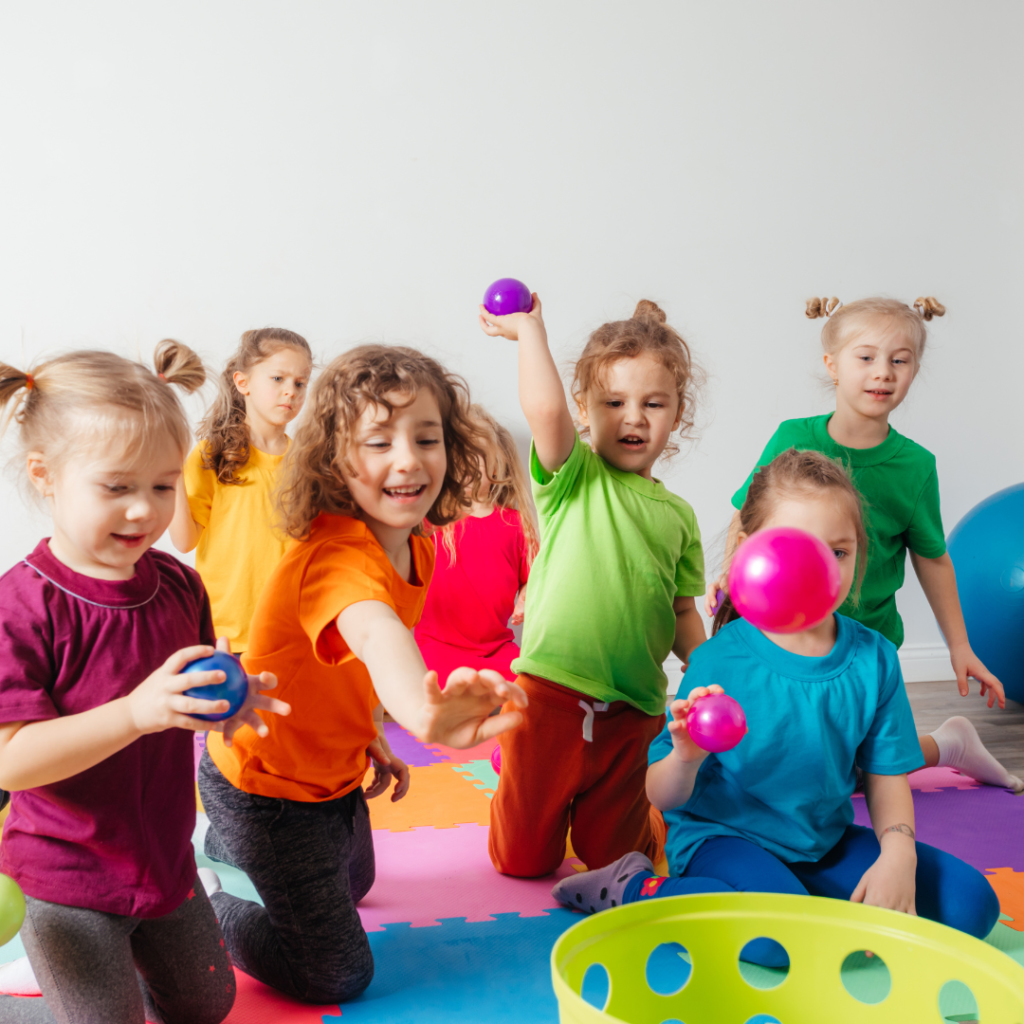
Every parent who has ever seen their child immersed in a sea of colorful plastic balls knows the magic that pool balls bring. They’re synonymous with carefree fun and childlike joy. But what if we told you that these colorful balls from EverPlast hold potential that goes far beyond the walls of the pool? At EverPlast, we make sure that our balls are not only beautiful and vibrantly colored, but above all safe, durable, and certified. Their light weight and resistance to deformation make them an incredibly versatile tool that can revolutionize home organization, decor, and even daily exercise routines. Get ready to discover more than a dozen creative and practical ways to use EverPlast pool balls in a whole new way! Home Applications: Organization, Safety, and Design A home is a space where functionality meets aesthetics. Pool balls, thanks to their ideal size and neutral weight, can prove to be invaluable aids in both of these areas. Organizing Space: Balls as Helpers in Keeping Things Tidy Filling empty spaces (anti-shock): When moving or shipping fragile items, these balls work perfectly as a lightweight, shock-absorbing filler. When poured into boxes, they minimize the risk of the contents shifting, protecting valuable items without significantly increasing the weight of the shipment. Sorting and organizing: Use these to visually organize small items in drawers. Sorting building blocks, beads, or other small toys into containers filled with balls of a specific color is a great way to quickly restore order. Safety in Children’s Play Areas: Cushioning and Protection Corner Protectors (DIY): Sometimes all it takes is a small cut in a ball to fit it over the sharp corner of a table or cabinet. This provides temporary but effective and attractive protection against bumps, ideal during the crawling and first-steps stages. Creating a safe space to lie down: Filling a teepee or a small playpen with them creates a safe, soft, and relaxing space. It’s like a mini “dry pool, ” perfect for reading and resting. Decorations and DIY: Balls in the Service of Design Special-occasion decorations: These balls are incredibly light, making them the perfect material for colorful birthday garlands that can be easily strung together and hung without worrying about their weight. A decorative element for a child’s room: EverPlast balls, especially in muted colors, can serve as a stylish accent in clear glass vases or containers, adding a modern yet warm touch to the room. Play and Development: Learning Through Movement and Color Pool balls are a powerful educational tool! Thanks to their variety of colors and ease of handling, they stimulate a child’s cognitive and motor development in the most enjoyable way possible—through play. Sensory and Motor Development: Learning Through Play Sorting and Practicing Colors/Counting: Invite your child to play a sorting game! Have them put the balls into containers marked with the corresponding color. This is a fantastic activity for distinguishing colors and building the foundations of math (counting, grouping). Sensory stimulation: Ask your child to roll the ball across their hand or leg to feel its smooth but firm texture. You can also use it for a gentle, stimulating sensory massage. Creative arcade games: an alternative to traditional toys Bowling and darts at home: Just line up a few empty bottles or cardboard boxes, and an EverPlast ball makes the perfect, safe bowling ball. This activity helps develop precision and hand-eye coordination. “A Quiet Snowball Fight”: On winter or rainy days, when throwing real snowballs isn’t possible, these lightweight balls let you enjoy safe, energetic throwing fun indoors, without the risk of breaking anything. Check out our selection of pool balls! Practical and Unconventional Applications Balls, which are primarily intended for play, surprise us with their versatility even in the most unexpected areas: from pet care to packaging shipments. For pets: a safe toy and mental stimulation Rolling/Catching Toy: These lightweight, easy-to-clean balls can be safe toys for cats and smaller dogs (under supervision, of course—make sure they’re large enough to prevent swallowing!). A “little pool” for smaller animals: Filling a small litter box or container with small balls stimulates curiosity and the instinct to “dig” in some animal species, such as small rodents. Packing and Protecting Shipments: Eco-Friendly Cushioning An alternative to bubble wrap: For small businesses, especially e-commerce companies, EverPlast balls can serve as an attractive and eco-friendly packaging filler. They’re lightweight, protect the merchandise, and—most importantly—can be easily reused by the customer or their children! Fitness and Rehabilitation: Balls in Healthcare Exercises for the feet and hands: A small ball under your foot is a fantastic, simple way to massage and stimulate your receptors after a long day. You can also use it to practice your grip and hand strength—squeezing the ball is a simple rehabilitation exercise. Unlimited Imagination with EverPlast’s Dry Pool Balls As you can see, EverPlast pool balls are a product with an incredibly wide range of uses. They’re an investment in your children’s development, safety, and creativity, as well as a practical item that will help you keep your home organized and add a splash of color to your surroundings. When you choose our balls, you can be sure of the highest quality and durability, which means they’ll serve you well for many years, both in and out of the pool. It’s time to let your creativity run wild!
Colors and Customization – How to Create a Unique Ball Pool

A ball pit is no longer just a toy—it’s a true hub of children’s joy. Modern manufacturing technologies make it possible to bring almost any color vision to life, and the options for customization ensure that every ball pit can be truly unique. From color psychology to professional color systems—let’s explore how to create a space that is both beautiful and supportive of a child’s development. Color Matters for a Child’s Development The choice of ball colors is about much more than just aesthetics. Each color evokes specific emotional responses and can influence the mood and activity level of a young pool user. It’s fascinating how carefully chosen colors can support a child’s development and well-being. Warm colors—red, orange, and yellow—act as natural stimulants. Red balls boost energy levels and encourage active play. Orange balls stimulate creativity and joy, while yellow ones improve concentration and boost optimism. These colors work great in spaces where the goal is to burn off energy and encourage movement. Cool shades, on the other hand, bring a sense of calm. Blue balls promote focus and relaxation, which is why they’re often chosen for rooms where children also need to wind down. Green balls combine calming properties with gentle stimulation—the perfect solution for children who need a balance between activity and calm. Purple balls stimulate the imagination while having a soothing effect on the nervous system. Professional RAL and PANTONE color systems Modern manufacturing technology makes it possible to produce virtually any color from professional color palettes. The RAL system offers over 200 standard colors, each with a unique identification code. This makes it possible to perfectly match the balls to an existing interior color scheme—whether it’s classic RAL 9010 (Pure White) for minimalist designs or vibrant RAL 3020 (Traffic Red) for energetic play areas. The PANTONE system opens up even broader possibilities. The palette includes thousands of shades, including metallic and fluorescent colors. Rose gold, mint, or coral—any trendy shade can be precisely reproduced on the balls. This color precision allows a ball pit to become an integral part of a well-thought-out interior design. Balls with logos as a branding element Personalization through logo printing is a solution that combines functionality with marketing. Printing technology allows even complex logos to be reproduced while preserving all details. High-quality inks are resistant to abrasion and repeated washing, ensuring that the print remains visible for a long time. This solution is used in a variety of spaces: Preschools and daycare centers help shape a sense of place Family-friendly cafes subtly promote the brand Play centers create a cohesive image Corporate events are gaining a unique entertainment element Therapy offices personalize the space Color Inspiration Creating a unique color scheme is a process that combines knowledge of color psychology with creativity. Nature offers harmonious combinations—various shades of green paired with blues and beiges create a peaceful atmosphere reminiscent of a forest or meadow. Such a palette has a calming effect and helps children form a positive connection with nature. A color gradient—a smooth transition from light to dark shades—gives swimming pools a professional look. A gradual transition from white through shades of gray to black looks elegant and timeless. A gradient from pale pink to fuchsia delights girls, while a nautical transition from light blue to navy blue evokes a vacation mood. A Ball Pit in a Marketing Strategy In the experience economy, a ball pit becomes a tool for building brand identity. Color consistency between the balls and the company’s visual identity enhances brand recognition. Children playing among balls in the company’s colors unconsciously internalize the brand’s visual elements, and parents are more likely to return to places where their children had a good time. Personalization can reflect a brand’s values. Eco-friendly companies choose earth tones and natural colors. Tech brands opt for cool shades of blue and silver. Companies in the entertainment industry choose vibrant, energetic color palettes. Every element—from color to print type to finish—communicates specific values and builds the brand’s image. Practical Tips for Choosing Colors When planning the color scheme for your pool, it’s worth keeping a few rules in mind. Three to four well-chosen colors look better than ten random ones. Proportions matter, too—the tried-and-true 60-30-10 rule (dominant, complementary, and accent colors) will help you create a harmonious composition. Key principles for choosing colors: Testing samples under target lighting conditions before placing a large order Take into account the existing color scheme of the room or space • Consult with the child (if old enough) about their preferences Choosing colors that won’t go out of style after the season Striking a balance between aesthetics and functionality A ball pit is an investment that will last for years, serving as both a source of joy and a thoughtfully designed element of your home’s decor. Carefully chosen colors support a child’s development, create a harmonious space, and build positive memories. In a world where every detail matters, it’s worth taking the time to create a ball pit that’s unique in every way.
A ball pit as a room decoration

A ball pit is no longer just a functional toy. Today’s parents view it as a full-fledged design element that can highlight the character of a child’s room or even become its focal point. Carefully chosen ball colors can complement a minimalist design, liven up a neutral space, or add a harmonious accent to an already decorated interior. Scandinavian Minimalism in a Child’s Room The Scandinavian style has taken the contemporary children’s interior design world by storm, and for good reason. Bright, spacious rooms featuring natural materials create a peaceful environment for play and rest. A ball pit in this kind of setting requires a thoughtful approach to color. Neutral tones form the foundation of a Scandinavian-style ball pit. White, creamy beige, and soft gray create a calm base that doesn’t overwhelm the space. You can add subtle accents to this base—powder pink, sage green, or pale blue. These pastel accents liven up the composition while maintaining the restraint characteristic of the Scandinavian style. It’s worth remembering that functionality is also key in the Scandinavian style. The pool should be easy to move, and the balls should be quick to clean up. That’s why people often choose models with a lid or ones that can be folded away when not in use. Pastel sweetness that never goes out of style Pastel colors are a safe choice for indecisive parents. Delicate shades create a calm atmosphere and go well with virtually any interior. Powder pink, lavender, mint, peach, pale yellow—these colors can be mixed and matched freely, always resulting in a harmonious effect. The secret to a successful pastel arrangement lies in balance. Too many different shades can make the bowl look chaotic. It’s better to choose two or three main colors and complement them with white or cream-colored beads. This approach visually brightens the whole arrangement and makes the pastels appear more delicate. An interesting touch is adding metallic accents. A few beads in pearl, gold, or copper tones lend the arrangement an air of elegance. These accents look particularly beautiful under the light of lamps—they reflect the rays and create a subtle play of light. However, it’s important to exercise restraint—metallic accents should make up no more than 10% of all the balls. Bold contrasts for little explorers Not every child is fond of soft colors. Some little ones need visual stimulation, energy, and dynamism. For them, a play pool in vibrant, contrasting colors will be ideal. The classic combination of black and white is a timeless solution that helps develop young children’s visual perception. This contrasting combination is especially recommended for infants who are just learning to distinguish between shapes and colors. As the child grows, you can gradually add more colors—red, yellow, and blue. Complementary colors create electrifying combinations. Purple with yellow, orange with blue, red with green—these combinations spark creativity and encourage active play. Popular designs and color schemes: A gradient from light to dark (ombre effect) Rainbow transitions between colors Geometric stripes in equal proportions Concentric circles in various shades Random distribution with a controlled color ratio Minimalism that captivates with its simplicity Minimalist interiors require a special approach when choosing a ball pit. Every element must be well thought out, and the colors must be carefully selected. An excess of colors or a chaotic composition could disrupt the carefully crafted harmony of the space. Monochromatic designs work best. All the balls in a single shade—for example, various tones of gray or beige—create a subtle, elegant whole. Such a ball pit does not dominate the space but forms an integral part of it. An alternative is to choose two colors in a 90:10 ratio. A dominant neutral shade complemented by a delicate accent—for example, gray balls with a touch of pale gold, or white balls with a few black ones. This composition adds a touch of dynamism without disrupting the minimalist aesthetic. Your Own Composition – The Art of Mixing Colors Creating a custom color palette is a process that requires both courage and intuition. Instead of buying pre-made sets, more and more parents are choosing to design their own pool color schemes. Basic principles of composition: Choosing the dominant color (50–60% of the beads) Adding a complementary color (30–35%) Introduction of an accent (10–15%) Optional: neutral background (white or gray balls) You can find inspiration anywhere. A child’s favorite book, a poster on the wall, the view out the window—anything can serve as a starting point for creating a unique color palette. Some parents take into account the season in which their child was born, while others draw inspiration from their child’s favorite fairy tales. Testing color combinations before making a final purchase is the key to success. It’s a good idea to order small samples of colored pool balls and see how they look under different lighting conditions. What looks beautiful on a computer screen may be disappointing in real life.
Plastic vs. Foam Balls – A Detailed Comparison of Pool Balls

Choosing between plastic and foam balls is a dilemma every parent faces when planning to buy a ball pit. Both materials have their staunch supporters and opponents, and discussions on parenting forums can get really heated. Let’s look at the facts and clear up any doubts about which type of balls is the better choice for your child. Plastic – a proven material with character Plastic balls have dominated the market for good reason. Made of high-quality polyethylene (PE), they have properties that have made them the parents’ choice for decades. The smooth surface of plastic balls isn’t just a matter of aesthetics—this texture doesn’t irritate a child’s delicate skin, even during hours of play. Their bounce is what makes play dynamic. The plastic balls bounce off each other with a distinctive sound that children love. This acoustic aspect of play is often underestimated, yet it is precisely the sound of the balls tumbling together that is part of the magic of a ball pit. Some manufacturers even experiment with different wall thicknesses to achieve a distinct sound. The most important advantage of plastic is its durability. High-quality PE balls withstand years of intensive use without visible signs of wear. They do not crack under pressure, do not deform at high temperatures, and retain their shape even after being crushed repeatedly. This is particularly important in households with several children or in public places where the ball pit is used daily. Foam – a soft alternative Foam balls are made of polyurethane, a material commonly used in mattresses and furniture padding. The main advantage of this foam is its extraordinary softness. When a child jumps into a pool filled with foam balls, the landing is incredibly gentle—almost like landing on a cloud. This option is often chosen by parents of very young children who are just learning to balance. The lightness of the foam balls has its pros and cons. On the one hand, the pool is easier to move, and the balls themselves pose no danger when a child throws them. On the other hand, the lightweight balls tend to fall out of the pool more easily during energetic play, which can be frustrating for both children and parents who are forced to constantly clean them up. The acoustic properties of foam are completely different from those of plastic. Foam balls make virtually no noise during play, which can be an advantage in apartments with thin walls or when there’s an infant at home. Some parents specifically choose foam for this very reason—quiet play. Safety – Comparison of Materials Both types of balls can be safe, provided they come from reputable manufacturers and have the appropriate certifications. Plastic balls with CE certification do not contain phthalates, BPA, or other harmful substances. High-quality polyethylene is chemically inert and does not emit any odors. Foam balls also undergo rigorous safety testing. The main challenge here is ensuring that the foam does not crumble or produce dust. Good-quality polyurethane foam retains its integrity for years, but cheaper alternatives may start to fall apart after just a few months of use. Key safety considerations: No sharp edges (both materials meet this requirement) A size that prevents swallowing (the standard is 7–8 cm in diameter) Resistance to cracking under pressure Non-toxicity of materials and dyes Colorfastness (the dye should not transfer to hands or clothing) Durability and Long-Term Cost-Effectiveness Plastic balls are an investment that lasts for years. Well-made PE balls retain their properties for a decade or longer. There are known cases of ball pits being passed down from generation to generation—balls bought for older siblings are still being used by younger children. Plastic balls: Higher initial cost (about 150–200 zł for 100 good-quality items) Minimal maintenance costs (cleaning supplies) No need to replace The possibility of reselling it for 40–50% of the original price Total cost: approximately 150–200 zł Foam balls: Lower initial cost (about 100–130 zł per 100 pieces) Must be replaced every 2–3 years Special foam cleaners No secondary market value Total cost (including replacements): approximately 250–350 zł A Detailed Comparison of Properties Feature Plastic balls Foam balls Durability 10+ years with proper quality 2–3 years of heavy use Hygiene Easy to clean with soap and water, dries quickly More difficult to clean, takes a long time to dry Starting price 20–30% higher Lower, more affordable Color Availability Unlimited palette, long-lasting colors Limited range, colors may fade Weight Average, stable in the water Very light, fall out easily Volume Distinctive sound during play Virtually silent Texture Smooth, cool to the touch Soft, warmer Moisture Resistance Complete; does not absorb water May absorb moisture and odors Safety Certified, safe PE Safe and high-quality Resale Value Retain their value Virtually none Summary – Which Material to Choose An analysis of all aspects shows that plastic balls offer the best value for money in the long run. They are durable, easy to keep clean, safe, and available in an unlimited range of colors. They are a versatile solution that will work well in most homes. Ultimately, the choice depends on each family’s individual priorities. It’s worth considering how long you plan to use the pool, how many children will be playing in it, and how important various factors are to you—hygiene, durability, price, or sensory qualities.
The Impact of Balls in a Dry Pool on Children’s Sensory Development

Contemporary pedagogy and developmental psychology are paying increasing attention to the importance of sensory stimulation in children’s development. One of the most popular and effective tools for supporting sensory development are dry pool balls. These seemingly simple toys hold enormous therapeutic and educational potential that can significantly influence a child’s harmonious development.