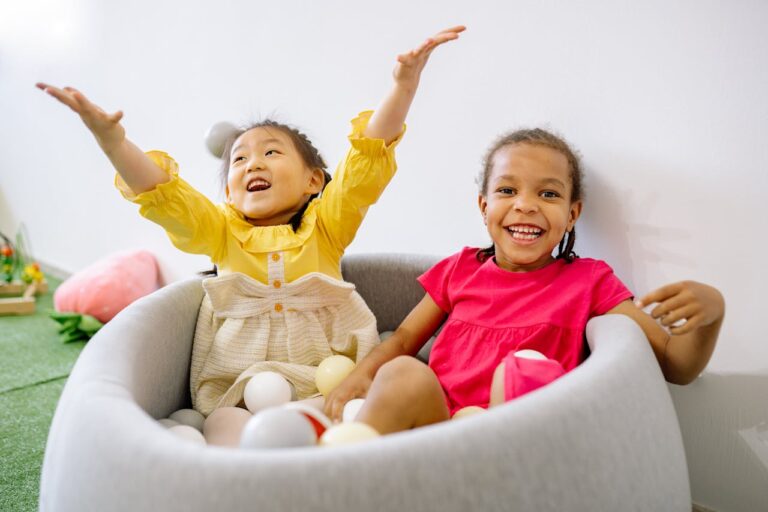
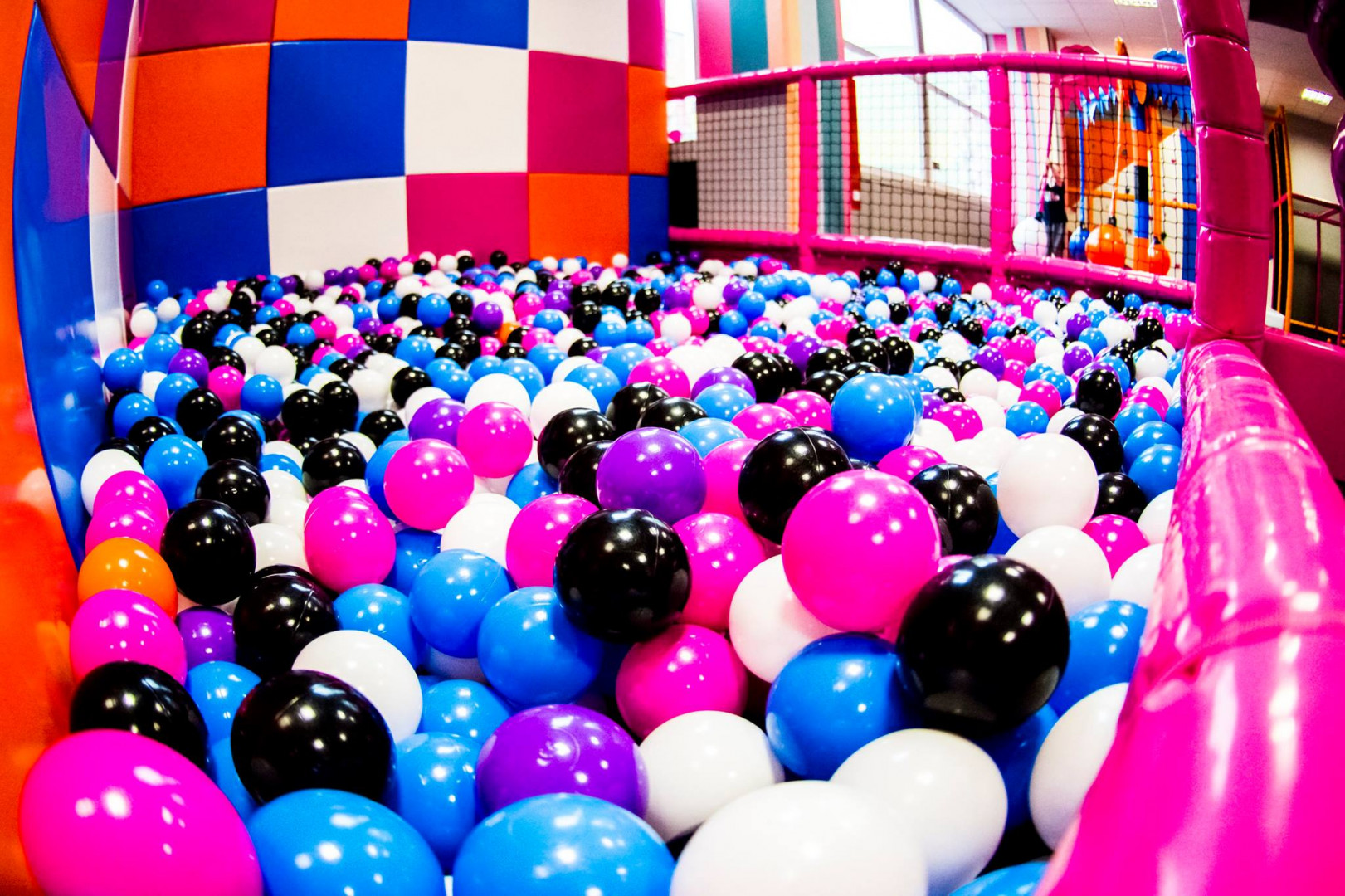
Contemporary pedagogy and developmental psychology are paying increasing attention to the importance of sensory stimulation in children’s development. One of the most popular and effective tools for supporting sensory development are dry pool balls. These seemingly simple toys hold enormous therapeutic and educational potential that can significantly influence a child’s harmonious development. What are dry pool balls, and why do kids love them? Dry pool balls are colorful, lightweight spheres made of safe plastic that fill special pools or designated play areas. They are typically 6 to 8 centimeters in diameter, making them the perfect size for children’s hands. The material they’re made of is soft and bouncy, making play safe even for the youngest children. The popularity of colorful ball pit balls among children stems from several factors. First and foremost, their vibrant colors attract attention and stimulate the sense of sight. The opportunity to immerse themselves in a sea of balls gives children a sense of freedom and control over their surroundings. Every movement in the ball pit generates pleasant tactile sensations, and the gentle rustling sound that accompanies play further engages the sense of hearing. This multisensory experience allows children to spend long hours in the ball pit without getting bored. How does a ball pit support a child’s sensory development? A child’s sensory development is a complex process in which exposure to a variety of sensory stimuli plays a key role. Dry pool balls engage all of a child’s senses simultaneously, creating the ideal environment for sensory integration. The sense of touch is stimulated by contact with the smooth surface of the balls and the pressure they exert on the child’s body. This experience helps develop proprioception—the awareness of one’s body’s position in space. The child’s sense of sight is engaged by the variety of colors of the balls. Children learn to recognize and name colors, follow moving balls with their eyes, and estimate distance and depth. Colorful pool balls can be used for visual perception exercises, sorting by color, or creating patterns. The sense of hearing is also engaged—the distinctive sound of the balls shifting helps children develop auditory awareness and locate the source of sound. The vestibular system, responsible for balance and spatial orientation, receives intense stimulation while playing in a ball pit. Every change in body position, every fall, and every attempt to maintain balance on the unstable surface of the balls supports the development of this crucial system. Children intuitively make movements that help them better understand their bodies and their capabilities. Movement, Balance, and Coordination—The Impact of Colored Balls on a Child’s Motor Development Playing in a dry ball pit is a natural form of motor exercise. Moving in an environment that offers resistance but is also safe and soft requires children to engage many muscle groups. Children must work against the resistance of the balls, which strengthens their muscles and improves their overall physical fitness. Hand-eye coordination develops rapidly as they try to catch, throw, or aim the balls. Children learn to anticipate the ball’s trajectory, adjust the force of their throw, and precisely direct their movements. These skills are fundamental to the later development of writing, drawing, and playing sports. Colorful pool balls are an attractive tool for exercises that children enjoy doing, without seeing them as a chore. Gross motor skills develop through a variety of activities in the ball pit—jumping, crawling, digging through layers of balls, or attempting to “swim.” Each of these activities engages different muscle groups and teaches the child to control their own body. At the same time, fine motor skills develop through grasping individual balls, transferring them from one hand to the other, or trying to arrange them into specific patterns. A safe space for exploration One of the biggest advantages of a ball pit for a dry pool is that it creates a safe space where a child can freely explore their abilities. The soft balls cushion falls, allowing children to experiment with movement more boldly without fear of injury. This freedom to explore is key to building self-confidence and the courage to take on new challenges. In the safe environment of the ball pit, children learn to assess risks and make decisions. They can test the limits of their abilities while learning self-control and caution. Ball pits create a space where failure does not result in pain or injury, which encourages further attempts and experimentation. This builds perseverance and a positive attitude toward challenges in children. The social aspect of playing in a ball pit also deserves attention. Playing together teaches children to share space, cooperate, and communicate. Children naturally create games together, establish rules, and learn to respect others’ boundaries. These experiences are invaluable for the development of social and emotional skills. SI Therapy and Sensory Balls — Helping Children with Developmental Challenges SI (sensory integration) therapy uses dry ball pit balls as one of the primary tools for working with children who have difficulty processing sensory stimuli. For children with sensory integration disorders, autism, or ADHD, controlled stimulation in a ball pit can lead to significant improvements in functioning. The deep pressure exerted by the balls on the child’s entire body has a calming effect and helps regulate muscle tone. As part of SI therapy, colorful ball pit balls are used to gradually desensitize children who are hypersensitive to tactile stimuli. Therapists can control the intensity of the stimulation, starting with gentle contact with individual balls and progressing to full immersion in the pool. For children who are under-sensitive to stimuli, intense stimulation in the pool helps them better perceive signals from their surroundings. The structure of therapeutic sessions using sensory balls is always tailored to the child’s individual needs. How do you choose the right balls for a dry pool? Choosing the right balls for a dry pool is crucial for safety and the effectiveness of sensory stimulation. First and foremost, pay attention to safety certifications—the balls should comply with the EN 71 standard for toy safety.

 Movement, Balance, and Coordination—The Impact of Colored Balls on a Child’s Motor Development
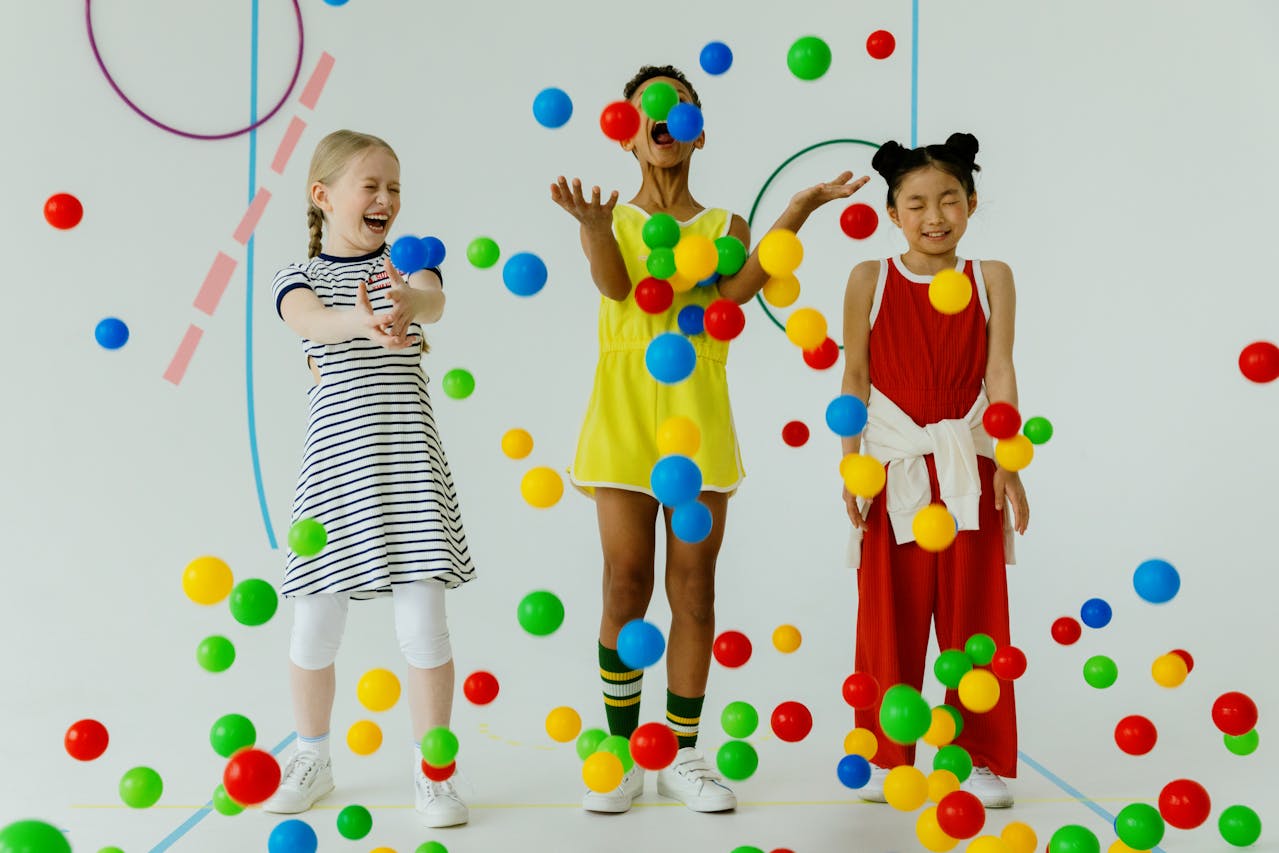 Ball Games in a Dry Pool