Is it possible to create eco-friendly plastic balls for a ball pit? A comprehensive study of sustainable production

In the world of toys and playroom equipment, plastic has long been synonymous with convenience, but also with environmental impact. However, modern materials engineering and evolving business models now allow us to make a bold claim: a plastic pool ball can be an eco-friendly product. For this to happen, we must stop viewing it as a cheap, disposable gadget and start treating it as part of an advanced closed-loop system. What does it mean in practice for pool balls to be “eco-friendly”? The word “eco-friendly” has become a buzzword in marketing that often loses its original meaning. When it comes to pool balls, eco-friendliness doesn’t start with the green color on the packaging, but with an in-depth analysis of the product’s life cycle (LCA—Life Cycle Assessment). To consider these balls environmentally friendly, we must evaluate their impact on the planet from the moment raw materials are extracted, through the manufacturing process, all the way to the end-of-life scenario. Material sustainability: What should be evaluated? A true assessment of environmental sustainability is based on hard data. It’s not enough to simply declare that a plastic is “recyclable”—almost every thermoplastic is. What matters most is how much energy was used to produce it and whether the process generates waste that permanently leaves the circular economy. When evaluating a material’s environmental impact, experts analyze its carbon footprint (CO2 per kg of material) and water consumption during the polymerization process. An eco-friendly product is one whose chemical structure does not contain substances that could be released into the environment during years of use or washing, which is particularly important in children’s environments. PCR and raw material recycling as the foundation The biggest breakthrough in the production of eco-friendly balls is the use of PCR (Post-Consumer Recycled) material. Unlike post-industrial waste (PIR), which is simply clean plastic diverted from the production line, PCR is plastic that has gone the full journey: from the consumer, through a sorting facility, all the way to regranulation. Using PCR in pool balls drastically reduces the demand for petroleum. This is where the “magic” of sustainability happens—instead of extracting new raw materials, we clean up the planet by repurposing existing waste, giving it a new, safe life in the form of colorful balls. Material Selection: The Heart of an Eco-Friendly Product Choosing the right polymer is the most complex stage of the design process. Here, we must balance physical properties, the safety of children, and the actual impact on the ecosystem. Material Selection Criteria A pool ball must meet a number of conflicting requirements: it must be soft enough not to hurt a child if dropped, yet stiff enough not to burst under the weight of an adult. The standard material is Low-Density Polyethylene (LDPE), which is characterized by excellent impact resistance and “shape memory.” However, in the eco-friendly version, we must consider the purity of the polymer. The material cannot contain impurities from other plastics, which poses a challenge for recycling but is a necessary condition for maintaining homogeneity and mechanical durability. PCR vs. Bioplastic – The Big Showdown It is often mistakenly assumed that bioplastics (such as corn-based PLA) are always the better choice. When it comes to pool balls, the issue is complicated: Bioplastics: They are often compostable only under industrial conditions, and their mechanical durability in heavily used pools is sometimes insufficient. Furthermore, recycling them in standard plastic waste streams is currently difficult. PCR (LDPE): It is a proven raw material with predictable aging characteristics and—most importantly—it is fully compatible with the existing recycling infrastructure. From the perspective of the circular economy, high-quality PCR regranulate is currently unrivaled in terms of environmental efficiency in this industry. Compostability or durability: an environmentalist’s dilemma Paradoxically, in the eco-friendly production of pool balls, durability is the highest form of care for nature. A product that would biodegrade after a year would be an ecological disaster due to the need to constantly replenish resources. We strive to create a product that is “indestructible” under normal use conditions, one that, after 5 or 10 years of intensive play, can be 100% recycled into a new batch of balls without any loss of quality. It is precisely the longevity of plastic—so often reviled in the context of ocean waste—that becomes its greatest advantage in a controlled closed-loop system. Cost Analysis vs. Actual Environmental Impact The use of eco-friendly raw materials involves higher material costs (high-quality regranulate is often more expensive than virgin polymer due to sorting and washing costs). Nevertheless, the bottom line goes beyond the spreadsheet. Investing in eco-friendly plastic means: Lower fees due to the so-called “Plastic Tax.” Enormous reputational value for the brand (ESG). The trust of parents, who are increasingly checking the ingredients in toys. Ultimately, the unit cost of a ball goes up by a few groszy, but the value of the entire project increases immeasurably. The Production Process and Its Energy Optimization Even the best material will lose its “eco-friendly” qualities if the production process is wasteful. The production of pool balls is based primarily on extrusion blow molding technology. Good to know: This process involves heating the plastic until it becomes malleable, forming a “tube,” then sealing it in a mold and inflating it with compressed air to form a sphere. Key stages and their optimization: To reduce the process’s environmental impact, modern factories are implementing hybrid or fully electric drives in blow molding machines, which can reduce electricity consumption by up to 40% compared to older hydraulic machines. Another aspect is the precise control of each ball’s weight—dosing systems allow for maintaining ideal parameters while minimizing raw material consumption (known as “lightweighting”). How can we realistically reduce the carbon footprint of production? First and foremost, by closing the cooling loop. The ball molds must be cooled instantly with water so that the cycle lasts as short a time as possible. Using dry coolers instead of traditional cooling towers drastically reduces water consumption. Additionally, every eco-friendly factory should have its own system for grinding

In the world of toys and playroom equipment, plastic has long been synonymous with convenience, but also with environmental impact. However, modern materials engineering and evolving business models now allow us to make a bold claim: a plastic pool ball can be an eco-friendly product. For this to happen, we must stop viewing it as a cheap, disposable gadget and start treating it as part of an advanced closed-loop system.

What does it mean in practice for pool balls to be “eco-friendly”?

The word “eco-friendly” has become a buzzword in marketing that often loses its original meaning. When it comes to pool balls, eco-friendliness doesn’t start with the green color on the packaging, but with an in-depth analysis of the product’s life cycle (LCA—Life Cycle Assessment). To consider these balls environmentally friendly, we must evaluate their impact on the planet from the moment raw materials are extracted, through the manufacturing process, all the way to the end-of-life scenario.

Material sustainability: What should be evaluated?

A true assessment of environmental sustainability is based on hard data. It’s not enough to simply declare that a plastic is “recyclable”—almost every thermoplastic is. What matters most is how much energy was used to produce it and whether the process generates waste that permanently leaves the circular economy. When evaluating a material’s environmental impact, experts analyze its carbon footprint (CO2 per kg of material) and water consumption during the polymerization process. An eco-friendly product is one whose chemical structure does not contain substances that could be released into the environment during years of use or washing, which is particularly important in children’s environments.

PCR and raw material recycling as the foundation

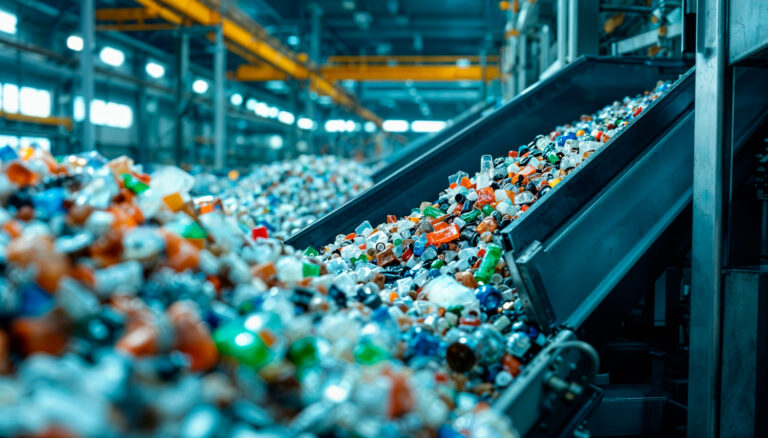
The biggest breakthrough in the production of eco-friendly balls is the use of PCR (Post-Consumer Recycled) material. Unlike post-industrial waste (PIR), which is simply clean plastic diverted from the production line, PCR is plastic that has gone the full journey: from the consumer, through a sorting facility, all the way to regranulation. Using PCR in pool balls drastically reduces the demand for petroleum. This is where the “magic” of sustainability happens—instead of extracting new raw materials, we clean up the planet by repurposing existing waste, giving it a new, safe life in the form of colorful balls.

Material Selection: The Heart of an Eco-Friendly Product

Choosing the right polymer is the most complex stage of the design process. Here, we must balance physical properties, the safety of children, and the actual impact on the ecosystem.

Material Selection Criteria

A pool ball must meet a number of conflicting requirements: it must be soft enough not to hurt a child if dropped, yet stiff enough not to burst under the weight of an adult. The standard material is Low-Density Polyethylene (LDPE), which is characterized by excellent impact resistance and “shape memory.” However, in the eco-friendly version, we must consider the purity of the polymer. The material cannot contain impurities from other plastics, which poses a challenge for recycling but is a necessary condition for maintaining homogeneity and mechanical durability.

PCR vs. Bioplastic – The Big Showdown

It is often mistakenly assumed that bioplastics (such as corn-based PLA) are always the better choice. When it comes to pool balls, the issue is complicated:

  • Bioplastics: They are often compostable only under industrial conditions, and their mechanical durability in heavily used pools is sometimes insufficient. Furthermore, recycling them in standard plastic waste streams is currently difficult.
  • PCR (LDPE): It is a proven raw material with predictable aging characteristics and—most importantly—it is fully compatible with the existing recycling infrastructure. From the perspective of the circular economy, high-quality PCR regranulate is currently unrivaled in terms of environmental efficiency in this industry.

Compostability or durability: an environmentalist’s dilemma

Paradoxically, in the eco-friendly production of pool balls, durability is the highest form of care for nature. A product that would biodegrade after a year would be an ecological disaster due to the need to constantly replenish resources. We strive to create a product that is “indestructible” under normal use conditions, one that, after 5 or 10 years of intensive play, can be 100% recycled into a new batch of balls without any loss of quality. It is precisely the longevity of plastic—so often reviled in the context of ocean waste—that becomes its greatest advantage in a controlled closed-loop system.

Cost Analysis vs. Actual Environmental Impact

The use of eco-friendly raw materials involves higher material costs (high-quality regranulate is often more expensive than virgin polymer due to sorting and washing costs). Nevertheless, the bottom line goes beyond the spreadsheet. Investing in eco-friendly plastic means:

  1. Lower fees due to the so-called “Plastic Tax.”
  2. Enormous reputational value for the brand (ESG).
  3. The trust of parents, who are increasingly checking the ingredients in toys. Ultimately, the unit cost of a ball goes up by a few groszy, but the value of the entire project increases immeasurably.

The Production Process and Its Energy Optimization

Even the best material will lose its “eco-friendly” qualities if the production process is wasteful. The production of pool balls is based primarily on extrusion blow molding technology.

Good to know: This process involves heating the plastic until it becomes malleable, forming a “tube,” then sealing it in a mold and inflating it with compressed air to form a sphere.

Key stages and their optimization:

To reduce the process’s environmental impact, modern factories are implementing hybrid or fully electric drives in blow molding machines, which can reduce electricity consumption by up to 40% compared to older hydraulic machines. Another aspect is the precise control of each ball’s weight—dosing systems allow for maintaining ideal parameters while minimizing raw material consumption (known as “lightweighting”).

How can we realistically reduce the carbon footprint of production?

First and foremost, by closing the cooling loop. The ball molds must be cooled instantly with water so that the cycle lasts as short a time as possible. Using dry coolers instead of traditional cooling towers drastically reduces water consumption. Additionally, every eco-friendly factory should have its own system for grinding production waste (so-called “offcuts”), which are immediately returned to the machine’s feeder. In such a system, production waste is practically 0%.

Ball Design: Safety, Non-Toxicity, and Durability

Designing an eco-friendly ball isn’t just about the raw materials; it’s primarily about safety engineering. The ball must be safe for a child who touches it—and sometimes tries to bite it.

Feature Traditional Standard Eco Standard
Plasticizers Often present (phthalates) Completely absent (BPA-free)
Dyes Standard pigments Organic dyes, free of heavy metals
Stitches Often sharp and noticeable Smooth, safe (ultrasonic/thermal welding)
Strength Susceptibility to cracking High flexibility and crush resistance

Non-toxicity as a priority

For post-consumer recycled (PCR) products, testing for the presence of SVHCs (Substances of Very High Concern) is crucial. Eco-friendly pool balls must undergo rigorous chemical testing in accordance with the EN 71-3 standard, which ensures that the recycling process has not “carried over” contaminants from the plastic’s previous life into the new toy.

Durability and Repairability (from a systems perspective)

Although individual balls cannot be repaired, we design them to ensure their “mechanical health” lasts as long as possible. Eco-friendly balls feature optimized spherical geometry that distributes stress evenly. As a result, the ball can withstand thousands of compression cycles without breaking. A longer product lifespan means less waste each year—it’s the simplest and most effective way to protect the environment.

End-of-Life Recycling and Return Logistics

Eco-friendly design ends where responsibility for the end-of-life product begins. The problem with pool balls is their volume—transporting used balls is literally “hauling air.”

Design for Recycling

For recycling to be cost-effective and efficient, the ball must be made of a single material. This means no paint coatings or stickers. Even the dye should be selected so that it does not degrade the polymer’s properties during the regranulation process. The ideal eco-ball is one that can be fed into a shredder, with the resulting flakes immediately sent to an extruder.

Return Logistics and Sorting

A modern approach involves creating a network of collection points or return systems for large facilities (play centers). The manufacturer can offer a discount on a new batch of balls in exchange for returning the old ones. Location is key here—production and recycling should take place as close as possible to the markets, so that the carbon footprint of transportation does not negate the benefits of using eco-friendly plastic.

How can we verify manufacturers’ “eco” claims?

In an era of rampant greenwashing, as a customer, you need to be able to “call their bluff.” Companies often use vague terms to hide their lack of genuine pro-environmental actions.

Verification of the plastic composition

Always ask for a certificate of origin for the raw material. Reputable suppliers use certifications such as GRS (Global Recycled Standard) or ISCC PLUS. These documents guarantee the traceability of the raw material throughout the supply chain. If a manufacturer claims that the balls are made from recycled material but cannot provide a certificate for the pellets, take such claims with a grain of salt.

Durability and Safety Tests in Practice

An environmental declaration must go hand in hand with certifications. The key ones are:

  • CE Declaration of Conformity: Confirming compliance with toy safety directives.
  • Testing for the absence of phthalates and BPA: Conducted by independent laboratories (e.g., TÜV, SGS).
  • Technical Data Sheet (TDS): Includes parameters such as crush strength (measured in newtons). Remember that an “eco” product that breaks after a month is an environmental scam. True quality stands up to mechanical testing.

Is it worth investing in eco-friendly pool balls?

Creating eco-friendly plastic balls isn’t just an option—it’s the industry’s responsibility today. By combining PCR materials, energy-efficient production, and smart design, we can offer a product that’s safe for children and gentle on the planet. Choosing these solutions is an investment that pays off in the form of durability, safety, and a clear conscience.

Are you planning to equip your facility with certified, eco-friendly balls? We’d be happy to help you choose the right quantity and verify the technical specifications of the selected products.

Everplast - Home Page

Everplast Ltd.
ul. Stefan Żeromskiego 9
62-300 Września

Registration data

NIP: 7891795423
REGON: 520534615

Production facility

Wrocławska 42k,
62-300 Września

© 2026 – Everplast – Manufacturer of pool balls for children. All rights reserved.