Ball Pits and Allergies to Dust and Dust Mites: How Can We Ensure the Safety of People with Allergies?

A ball pit filled with colorful balls is synonymous with a child’s paradise. For every little one, it’s a space to burn off energy, develop motor skills, and have countless adventures. However, for parents whose children struggle with allergies to dust, dust mites, or mold, this colorful space can be a source of concern. Does a ball pit automatically have to be crossed off the list of safe toys? Absolutely not! At EverPlast, we believe that fun and safety can go hand in hand. The key to success is a conscious and rigorous maintenance strategy. Below, we explain why a ball pit can become a breeding ground for allergens and how to effectively prevent this. Order safe pool balls The Source of Problems: Dust, Dust Mites, and Their Hidden Habitats Understanding why a ball pit can pose problems for people with allergies is the first step toward eliminating those problems. It is not the plastic itself that is a cause for concern, but the environment that develops inside and around it. Dust buildup caused by a large contact surface area Plastic balls, though smooth, are like thousands of tiny dust traps. When a child plays, the balls constantly rub against each other and the pool’s surface, generating an electrostatic charge. This static charge acts like a magnet, intensely attracting dust, pollen, and other microscopic particles from the air. When a child enters the pool or jumps, this accumulated dust is dynamically stirred up into the air, going straight into the respiratory tract. The Presence of House Dust Mites Dust mites, which are a major allergen, feed on human skin flakes. A ball pit, when used regularly, becomes a massive “reservoir” for these skin flakes, which accumulate at the bottom of the fabric liner and between the balls. Worse still, if the ball pit is kept in a room with high humidity or if the balls were not thoroughly dried after washing, ideal conditions are created for the growth of dust mites and mold —additional, highly allergenic fungi. The proverbial “trash can” for all kinds of allergens A ball pit unknowingly traps everything that falls into it: food crumbs, pet hair, human hair, and even dust particles carried in on clothing. These particles provide a breeding ground for microorganisms and are a source of many other potential allergens that can worsen symptoms in a sensitive child. Prevention strategies: thorough care and cleaning If your child has allergies, maintaining a ball pit must be a strict requirement, not an option. Only regular, thorough cleaning eliminates the risk. Cleaning the balls: Consistency is key Frequency: If your pet has allergies, the balls should be washed at least once every 2–4 weeks. Washing instructions: The easiest way is to place the balls in a bathtub (or large bowl) and cover them with warm water mixed with a mild, unscented detergent (such as baby soap) or a toy cleaner. After soaking and stirring briefly, rinse them thoroughly with clean water. Drying (Key Step): This is the most important step for people with allergies! The balls must be COMPLETELY dry before being returned to the pool. Spread them out on a large, clean towel or blanket in a well-ventilated area. Any remaining moisture can lead to mold growth inside the balls. Hygiene of the Cover and Surrounding Area Washing the Cover: The fabric pool cover must be washed regularly. Dust mites are killed by high temperatures, so wash it at a minimum of 60 degrees Celsius using hypoallergenic detergents. Vacuuming the floor: Before you put the clean balls in, the bottom of the cover and the floor beneath the pool must be thoroughly vacuumed. Use a vacuum cleaner with a HEPA filter, which captures even the smallest allergen particles. Humidity Control: Keep the humidity in the room where the pool is located below 50 percent. This is a key factor in limiting the growth of dust mites. EverPlast Product Recommendations and Summary Choosing Safe EverPlast Balls At EverPlast, we focus on quality that promotes health. Material and Allergies – Our balls are made of a safe, non-toxic plastic that does not emit harmful volatile organic compounds (VOCs) that could irritate the respiratory tract of people with allergies. Smooth texture — The smooth, uniform surface of EverPlast balls makes cleaning easier and leaves fewer places for dust to accumulate compared to toys with a porous or fibrous texture. Summary: A Risk-Free Swimming Pool An EverPlast ball pit is a source of endless fun that can be safe for people with allergies, as long as we treat it like any other fabric item in the home—with proper attention to hygiene. Remember: washing the cover regularly at a high temperature, washing the balls frequently, and making sure they’re completely dry are your best line of defense! Let your child enjoy playing in a completely safe environment! Choose durable, easy-to-clean EverPlast balls, and regular maintenance will take care of the rest.

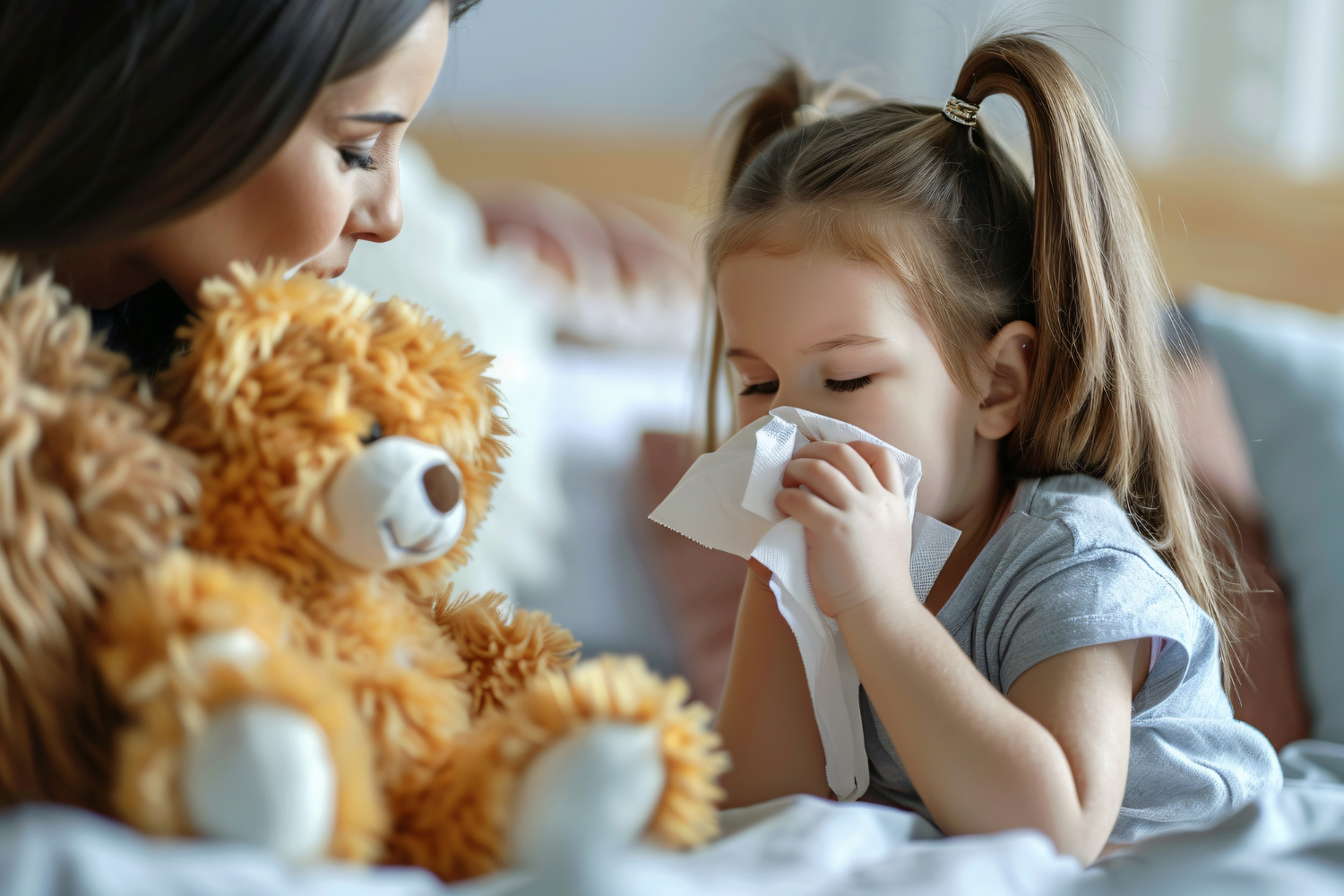
A ball pit filled with colorful balls is synonymous with a child’s paradise. For every little one, it’s a space to burn off energy, develop motor skills, and have countless adventures. However, for parents whose children struggle with allergies to dust, dust mites, or mold, this colorful space can be a source of concern.

Does a ball pit automatically have to be crossed off the list of safe toys? Absolutely not! At EverPlast, we believe that fun and safety can go hand in hand. The key to success is a conscious and rigorous maintenance strategy. Below, we explain why a ball pit can become a breeding ground for allergens and how to effectively prevent this.

Order safe pool balls

The Source of Problems: Dust, Dust Mites, and Their Hidden Habitats

Understanding why a ball pit can pose problems for people with allergies is the first step toward eliminating those problems. It is not the plastic itself that is a cause for concern, but the environment that develops inside and around it.

Dust buildup caused by a large contact surface area

Plastic balls, though smooth, are like thousands of tiny dust traps. When a child plays, the balls constantly rub against each other and the pool’s surface, generating an electrostatic charge. This static charge acts like a magnet, intensely attracting dust, pollen, and other microscopic particles from the air. When a child enters the pool or jumps, this accumulated dust is dynamically stirred up into the air, going straight into the respiratory tract.

The Presence of House Dust Mites

Dust mites, which are a major allergen, feed on human skin flakes. A ball pit, when used regularly, becomes a massive “reservoir” for these skin flakes, which accumulate at the bottom of the fabric liner and between the balls. Worse still, if the ball pit is kept in a room with high humidity or if the balls were not thoroughly dried after washing, ideal conditions are created for the growth of dust mites and mold —additional, highly allergenic fungi.

The proverbial “trash can” for all kinds of allergens

A ball pit unknowingly traps everything that falls into it: food crumbs, pet hair, human hair, and even dust particles carried in on clothing. These particles provide a breeding ground for microorganisms and are a source of many other potential allergens that can worsen symptoms in a sensitive child.

Prevention strategies: thorough care and cleaning
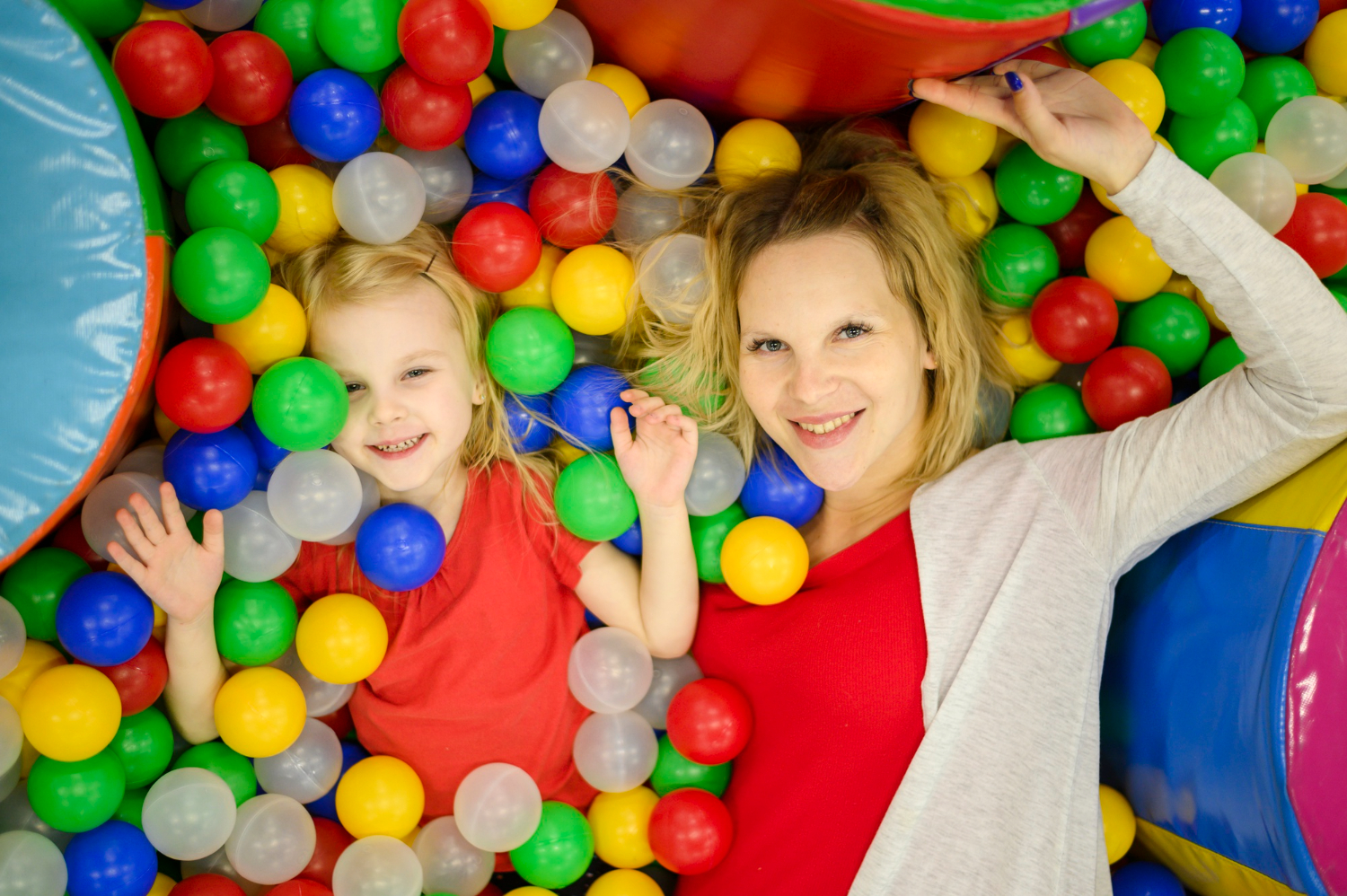
If your child has allergies, maintaining a ball pit must be a strict requirement, not an option. Only regular, thorough cleaning eliminates the risk.

Cleaning the balls: Consistency is key

Frequency: If your pet has allergies, the balls should be washed at least once every 2–4 weeks.

  • Washing instructions: The easiest way is to place the balls in a bathtub (or large bowl) and cover them with warm water mixed with a mild, unscented detergent (such as baby soap) or a toy cleaner. After soaking and stirring briefly, rinse them thoroughly with clean water.
  • Drying (Key Step): This is the most important step for people with allergies! The balls must be COMPLETELY dry before being returned to the pool. Spread them out on a large, clean towel or blanket in a well-ventilated area. Any remaining moisture can lead to mold growth inside the balls.

Hygiene of the Cover and Surrounding Area

  • Washing the Cover: The fabric pool cover must be washed regularly. Dust mites are killed by high temperatures, so wash it at a minimum of 60 degrees Celsius using hypoallergenic detergents.
  • Vacuuming the floor: Before you put the clean balls in, the bottom of the cover and the floor beneath the pool must be thoroughly vacuumed. Use a vacuum cleaner with a HEPA filter, which captures even the smallest allergen particles.
  • Humidity Control: Keep the humidity in the room where the pool is located below 50 percent. This is a key factor in limiting the growth of dust mites.

EverPlast Product Recommendations and Summary

Choosing Safe EverPlast Balls

At EverPlast, we focus on quality that promotes health.

  • Material and Allergies – Our balls are made of a safe, non-toxic plastic that does not emit harmful volatile organic compounds (VOCs) that could irritate the respiratory tract of people with allergies.
  • Smooth texture — The smooth, uniform surface of EverPlast balls makes cleaning easier and leaves fewer places for dust to accumulate compared to toys with a porous or fibrous texture.

Summary: A Risk-Free Swimming Pool

An EverPlast ball pit is a source of endless fun that can be safe for people with allergies, as long as we treat it like any other fabric item in the home—with proper attention to hygiene.

Remember: washing the cover regularly at a high temperature, washing the balls frequently, and making sure they’re completely dry are your best line of defense!

Let your child enjoy playing in a completely safe environment! Choose durable, easy-to-clean EverPlast balls, and regular maintenance will take care of the rest.

Everplast - Home Page

Everplast Ltd.
ul. Stefan Żeromskiego 9
62-300 Września

Registration data

NIP: 7891795423
REGON: 520534615

Production facility

Wrocławska 42k,
62-300 Września

© 2026 – Everplast – Manufacturer of pool balls for children. All rights reserved.