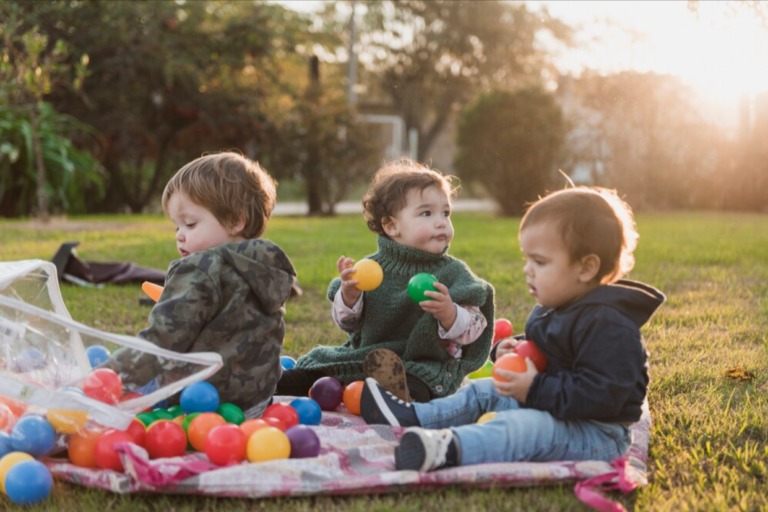
Ideas for Playing in a Ball Pit

Ideas for Playing in a Ball Pit Playing with parents, siblings, or peers; supporting the development of motor skills; learning to cooperate; and improving sensory integration—these are just a few of the many opportunities a dry pool filled with colorful balls offers children. To ensure it fulfills its purpose fully—and, what’s more, makes it even more appealing to little ones—it’s worth thinking about organizing fun activities in the dry pool for children. Below are a few of our ideas! Dry Ball Pool – Fun and Safety Let’s remember that colorful pool balls They offer many opportunities for our little ones, provided they meet the most important quality standards. The balls selected for a children’s dry pool should be made of high-quality, non-toxic materials, have certifications confirming their most important qualities, and meet the applicable EN-PN standards. The balls should also be odorless and hypoallergenic, and their size and quantity must be appropriately matched to the child’s age and abilities, as well as the dimensions of the container they will fill. Only then will the colorful balls—and the dry pool itself—properly fulfill their functions, providing not only an attractive but also a completely safe play area for children. Dry Ball Pool – Fun Activities A ball pit offers little ones plenty of opportunities for fantastic fun. Children can play in it on their own, with their parents, or in a larger group of friends. It’s worth keeping in mind that activities in the ball pit aren’t just simple play—they’re also activities that can support a child’s development in many ways. With that in mind, these activities can be divided into several basic categories, such as: educational games, physical activities, team-building activities, sensory play. It’s a good idea to use ideas from each category to provide young children with a variety of activities and to comprehensively support their development through play. Ball Pit – Educational Games Using the balls in a dry pool, children can easily learn to count and also learn the names of colors, both in their native language and in a foreign language. We can organize a simple game of sorting the balls by color. Some manufacturers offer dry pool balls with letters embossed or painted on them. Using these, we can easily and enjoyably teach children the alphabet, as well as take the first step toward learning to read. With both colored balls and balls marked with letters, we can also play an association game. Simply take a ball of a specific color or one marked with a particular letter out of the pool one at a time and ask your little one about objects of the same color or names of people or animals that start with that same letter. Physical Activities in a Dry Pool What kinds of games that support motor skills can we play in a dry pool? It’s worth starting with the most obvious and simplest activities, such as throwing one, two, or several balls. An interesting and highly developmental activity is the so-called ball relay, organized outside the pool but using small balls. The game not only improves a toddler’s fitness and motor skills but also teaches them healthy and fair competition. Older toddlers can also improve their fitness and coordination by doing simple exercises that incorporate colorful pool balls. For example, there’s an exercise that involves passing a ball from your feet to your hands: lie on your back, place a pool ball between your feet, and then, as you slowly lift your legs and bend forward, catch it in your hands. Inclusive Games with Colorful Balls A dry ball pit is an attraction often found in preschools and kindergarten classes, as well as in playrooms where birthday parties and other events for young children are held. In such places, groups of children who don’t always know each other come together. And this is where icebreaker activities in the dry ball pit or games involving colorful balls come in handy. What kind of games? There are truly many possibilities. Simply give the children a task, such as moving the balls from one part of the pool to another or retrieving only a specific color of balls from the pool as quickly as possible. These kinds of activities will help develop teamwork skills and also help the little ones trust one another and get to know each other better. We can also use the colored balls to organize a slightly less active game, designed primarily to help us learn more about each other. The children sit in a circle, and a caregiver or parent designates a “confession ball.” They then toss it to the first child, who must now share something interesting about themselves with the others. The ball is then passed to the next participant in the game, and so on. Sensory Play with Pool Balls A dry ball pit is a great place to further support a child’s sensory integration development. In fact, the vast majority of the activities already mentioned above are designed to stimulate a toddler’s senses, and therefore also help support proper sensory development. What other games can serve this purpose? We can set up a so-called sensory path for children using multicolored balls from the ball pit. Simply arrange or scatter objects, toys, or even food items of various sizes and textures across a selected area. A sensory path can include elements such as: soft pillows; blankets; foam mats; ladders; wooden components; soft plush or faux fur items; harder objects, such as plastic balls; small items, feathers, beans, rice, sand; fragrance oils, sound sources. A path made up of various elements will allow your child to burn off energy, relieve tension, and relax; what’s more, it will also support the development of all their senses, motor skills, and balance. It will also help your child better understand the differences between objects of varying sizes or made of materials of different hardnesses.

Ideas for Playing in a Ball Pit

Playing with parents, siblings, or peers; supporting the development of motor skills; learning to cooperate; and improving sensory integration—these are just a few of the many opportunities a dry pool filled with colorful balls offers children. To ensure it fulfills its purpose fully—and, what’s more, makes it even more appealing to little ones—it’s worth thinking about organizing fun activities in the dry pool for children. Below are a few of our ideas!

Dry Ball Pool – Fun and Safety

Let’s remember that colorful pool balls They offer many opportunities for our little ones, provided they meet the most important quality standards. The balls selected for a children’s dry pool should be made of high-quality, non-toxic materials, have certifications confirming their most important qualities, and meet the applicable EN-PN standards. The balls should also be odorless and hypoallergenic, and their size and quantity must be appropriately matched to the child’s age and abilities, as well as the dimensions of the container they will fill. Only then will the colorful balls—and the dry pool itself—properly fulfill their functions, providing not only an attractive but also a completely safe play area for children.

Dry Ball Pool – Fun Activities

A ball pit offers little ones plenty of opportunities for fantastic fun. Children can play in it on their own, with their parents, or in a larger group of friends. It’s worth keeping in mind that activities in the ball pit aren’t just simple play—they’re also activities that can support a child’s development in many ways. With that in mind, these activities can be divided into several basic categories, such as:

  • educational games,
  • physical activities,
  • team-building activities,
  • sensory play.

It’s a good idea to use ideas from each category to provide young children with a variety of activities and to comprehensively support their development through play.

Ball Pit – Educational Games

Using the balls in a dry pool, children can easily learn to count and also learn the names of colors, both in their native language and in a foreign language. We can organize a simple game of sorting the balls by color. Some manufacturers offer dry pool balls with letters embossed or painted on them. Using these, we can easily and enjoyably teach children the alphabet, as well as take the first step toward learning to read. With both colored balls and balls marked with letters, we can also play an association game. Simply take a ball of a specific color or one marked with a particular letter out of the pool one at a time and ask your little one about objects of the same color or names of people or animals that start with that same letter.

Physical Activities in a Dry Pool

What kinds of games that support motor skills can we play in a dry pool? It’s worth starting with the most obvious and simplest activities, such as throwing one, two, or several balls. An interesting and highly developmental activity is the so-called ball relay, organized outside the pool but using small balls. The game not only improves a toddler’s fitness and motor skills but also teaches them healthy and fair competition. Older toddlers can also improve their fitness and coordination by doing simple exercises that incorporate colorful pool balls. For example, there’s an exercise that involves passing a ball from your feet to your hands: lie on your back, place a pool ball between your feet, and then, as you slowly lift your legs and bend forward, catch it in your hands.

Inclusive Games with Colorful Balls

A dry ball pit is an attraction often found in preschools and kindergarten classes, as well as in playrooms where birthday parties and other events for young children are held. In such places, groups of children who don’t always know each other come together. And this is where icebreaker activities in the dry ball pit or games involving colorful balls come in handy. What kind of games? There are truly many possibilities. Simply give the children a task, such as moving the balls from one part of the pool to another or retrieving only a specific color of balls from the pool as quickly as possible. These kinds of activities will help develop teamwork skills and also help the little ones trust one another and get to know each other better.

We can also use the colored balls to organize a slightly less active game, designed primarily to help us learn more about each other. The children sit in a circle, and a caregiver or parent designates a “confession ball.” They then toss it to the first child, who must now share something interesting about themselves with the others. The ball is then passed to the next participant in the game, and so on.

Sensory Play with Pool Balls

A dry ball pit is a great place to further support a child’s sensory integration development. In fact, the vast majority of the activities already mentioned above are designed to stimulate a toddler’s senses, and therefore also help support proper sensory development. What other games can serve this purpose? We can set up a so-called sensory path for children using multicolored balls from the ball pit. Simply arrange or scatter objects, toys, or even food items of various sizes and textures across a selected area. A sensory path can include elements such as:

  • soft pillows;
  • blankets;
  • foam mats;
  • ladders;
  • wooden components;
  • soft plush or faux fur items;
  • harder objects, such as plastic balls;
  • small items, feathers, beans, rice, sand;
  • fragrance oils, sound sources.

A path made up of various elements will allow your child to burn off energy, relieve tension, and relax; what’s more, it will also support the development of all their senses, motor skills, and balance. It will also help your child better understand the differences between objects of varying sizes or made of materials of different hardnesses.

Everplast - Home Page

Everplast Ltd.
ul. Stefan Żeromskiego 9
62-300 Września

Registration data

NIP: 7891795423
REGON: 520534615

Production facility

Wrocławska 42k,
62-300 Września

© 2026 – Everplast – Manufacturer of pool balls for children. All rights reserved.