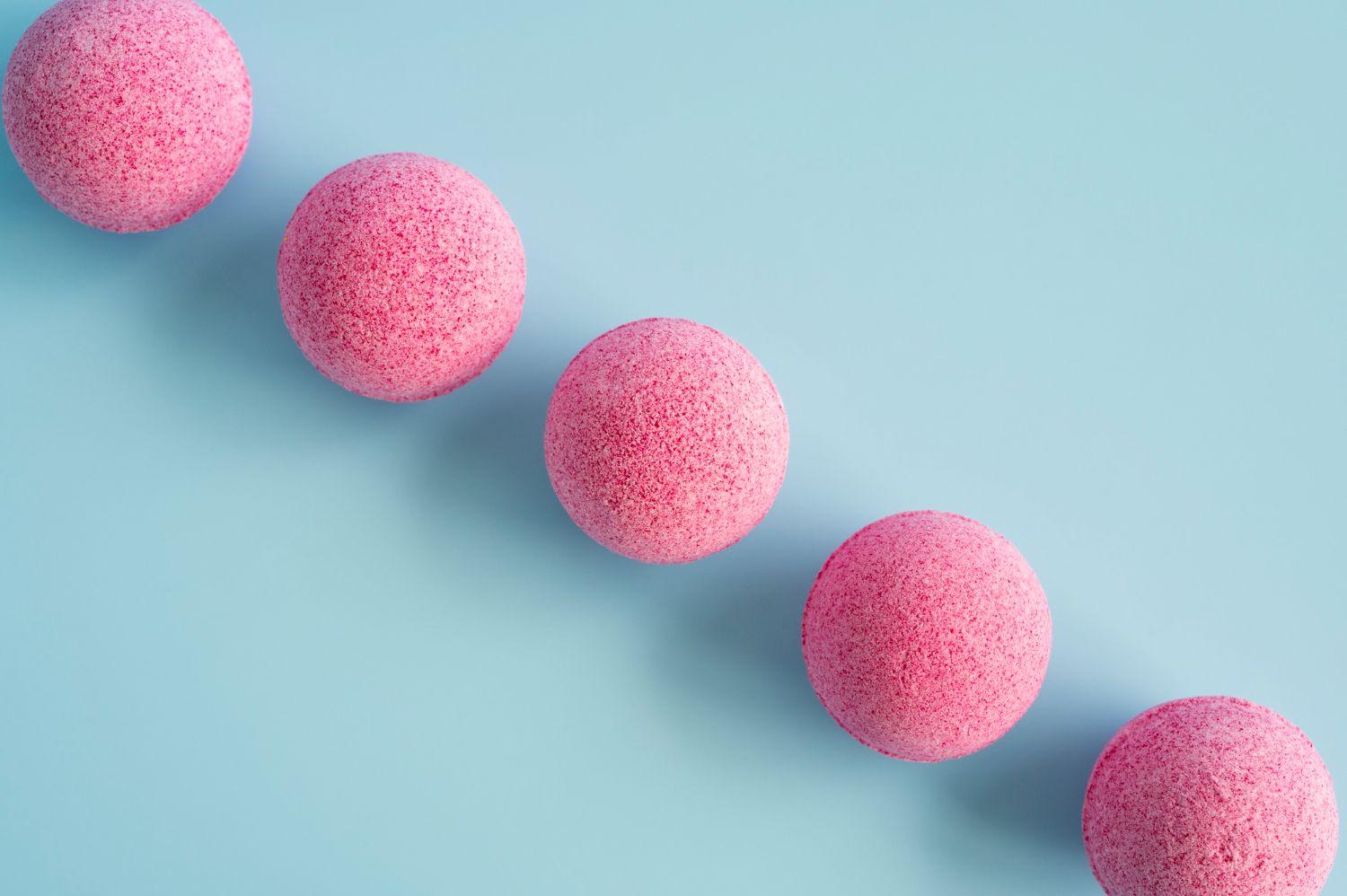
Choosing between plastic and foam balls is a dilemma every parent faces when planning to buy a ball pit. Both materials have their staunch supporters and opponents, and discussions on parenting forums can get really heated. Let’s look at the facts and clear up any doubts about which type of balls is the better choice for your child. Plastic – a proven material with character Plastic balls have dominated the market for good reason. Made of high-quality polyethylene (PE), they have properties that have made them the parents’ choice for decades. The smooth surface of plastic balls isn’t just a matter of aesthetics—this texture doesn’t irritate a child’s delicate skin, even during hours of play. Their bounce is what makes play dynamic. The plastic balls bounce off each other with a distinctive sound that children love. This acoustic aspect of play is often underestimated, yet it is precisely the sound of the balls tumbling together that is part of the magic of a ball pit. Some manufacturers even experiment with different wall thicknesses to achieve a distinct sound. The most important advantage of plastic is its durability. High-quality PE balls withstand years of intensive use without visible signs of wear. They do not crack under pressure, do not deform at high temperatures, and retain their shape even after being crushed repeatedly. This is particularly important in households with several children or in public places where the ball pit is used daily. Foam – a soft alternative Foam balls are made of polyurethane, a material commonly used in mattresses and furniture padding. The main advantage of this foam is its extraordinary softness. When a child jumps into a pool filled with foam balls, the landing is incredibly gentle—almost like landing on a cloud. This option is often chosen by parents of very young children who are just learning to balance. The lightness of the foam balls has its pros and cons. On the one hand, the pool is easier to move, and the balls themselves pose no danger when a child throws them. On the other hand, the lightweight balls tend to fall out of the pool more easily during energetic play, which can be frustrating for both children and parents who are forced to constantly clean them up. The acoustic properties of foam are completely different from those of plastic. Foam balls make virtually no noise during play, which can be an advantage in apartments with thin walls or when there’s an infant at home. Some parents specifically choose foam for this very reason—quiet play. Safety – Comparison of Materials Both types of balls can be safe, provided they come from reputable manufacturers and have the appropriate certifications. Plastic balls with CE certification do not contain phthalates, BPA, or other harmful substances. High-quality polyethylene is chemically inert and does not emit any odors. Foam balls also undergo rigorous safety testing. The main challenge here is ensuring that the foam does not crumble or produce dust. Good-quality polyurethane foam retains its integrity for years, but cheaper alternatives may start to fall apart after just a few months of use. Key safety considerations: No sharp edges (both materials meet this requirement) A size that prevents swallowing (the standard is 7–8 cm in diameter) Resistance to cracking under pressure Non-toxicity of materials and dyes Colorfastness (the dye should not transfer to hands or clothing) Durability and Long-Term Cost-Effectiveness Plastic balls are an investment that lasts for years. Well-made PE balls retain their properties for a decade or longer. There are known cases of ball pits being passed down from generation to generation—balls bought for older siblings are still being used by younger children. Plastic balls: Higher initial cost (about 150–200 zł for 100 good-quality items) Minimal maintenance costs (cleaning supplies) No need to replace The possibility of reselling it for 40–50% of the original price Total cost: approximately 150–200 zł Foam balls: Lower initial cost (about 100–130 zł per 100 pieces) Must be replaced every 2–3 years Special foam cleaners No secondary market value Total cost (including replacements): approximately 250–350 zł A Detailed Comparison of Properties Feature Plastic balls Foam balls Durability 10+ years with proper quality 2–3 years of heavy use Hygiene Easy to clean with soap and water, dries quickly More difficult to clean, takes a long time to dry Starting price 20–30% higher Lower, more affordable Color Availability Unlimited palette, long-lasting colors Limited range, colors may fade Weight Average, stable in the water Very light, fall out easily Volume Distinctive sound during play Virtually silent Texture Smooth, cool to the touch Soft, warmer Moisture Resistance Complete; does not absorb water May absorb moisture and odors Safety Certified, safe PE Safe and high-quality Resale Value Retain their value Virtually none Summary – Which Material to Choose An analysis of all aspects shows that plastic balls offer the best value for money in the long run. They are durable, easy to keep clean, safe, and available in an unlimited range of colors. They are a versatile solution that will work well in most homes. Ultimately, the choice depends on each family’s individual priorities. It’s worth considering how long you plan to use the pool, how many children will be playing in it, and how important various factors are to you—hygiene, durability, price, or sensory qualities.